Indianz.Com > News > Winnebago Tribe celebrates precedent in burial of children at Indian boarding school
Winnebago Tribe celebrates precedent in burial of children at Indian boarding school
Friday, May 15, 2026
Indianz.Com
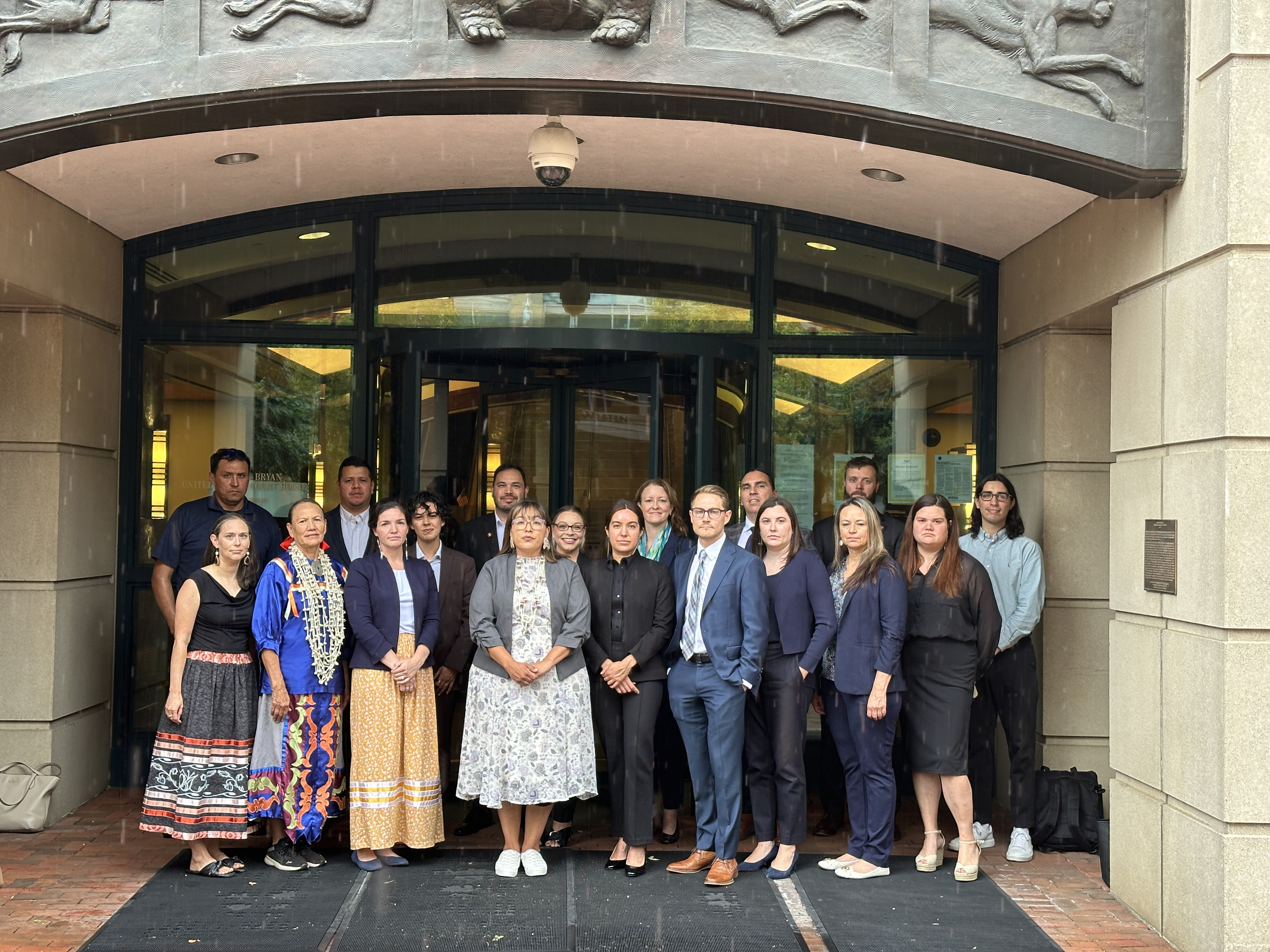
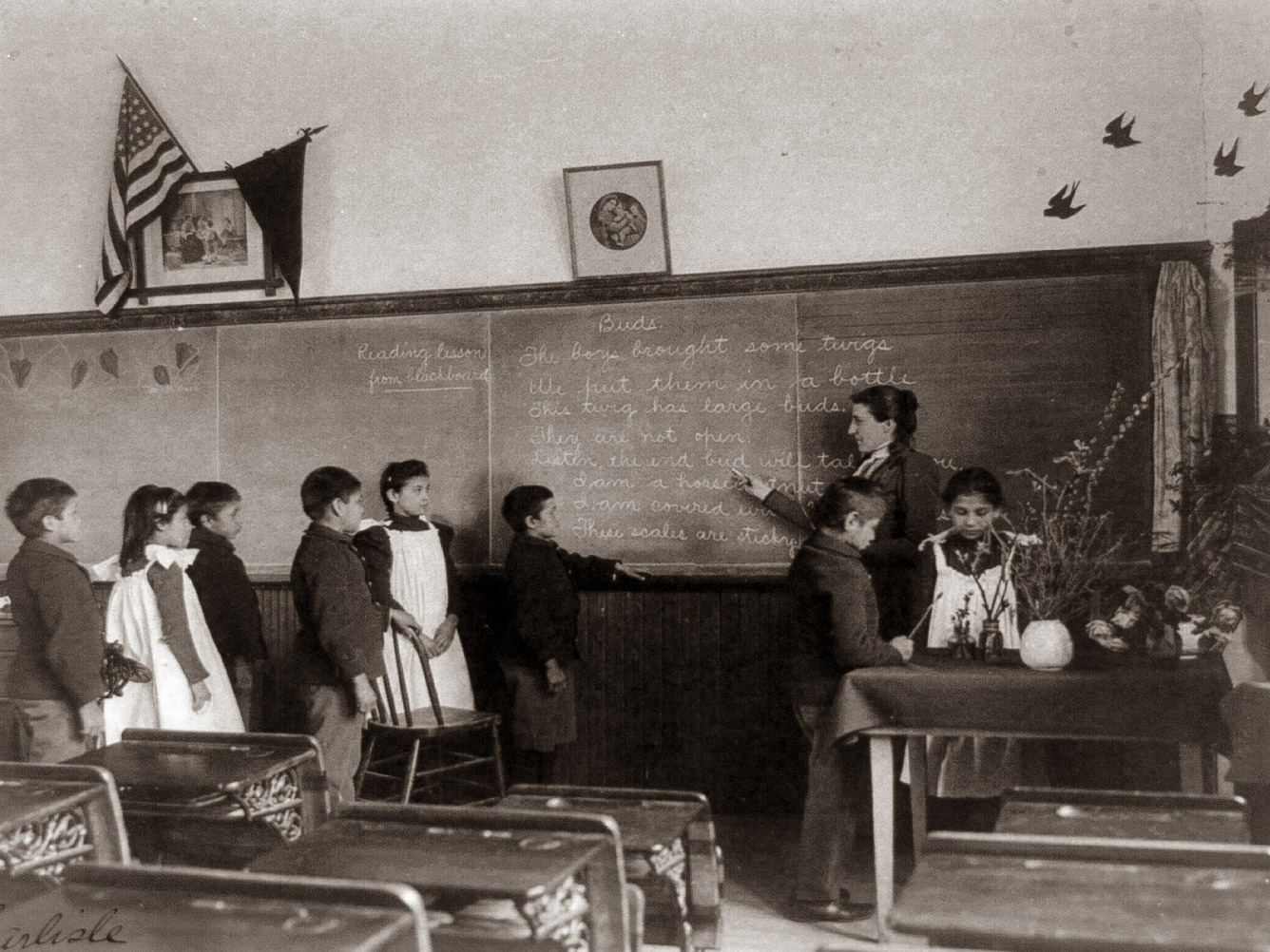
The Winnebago Tribe has scored a precedent-setting legal victory that paves the way for the repatriation of children buried at one of the most infamous symbols of the genocidal Indian boarding era.
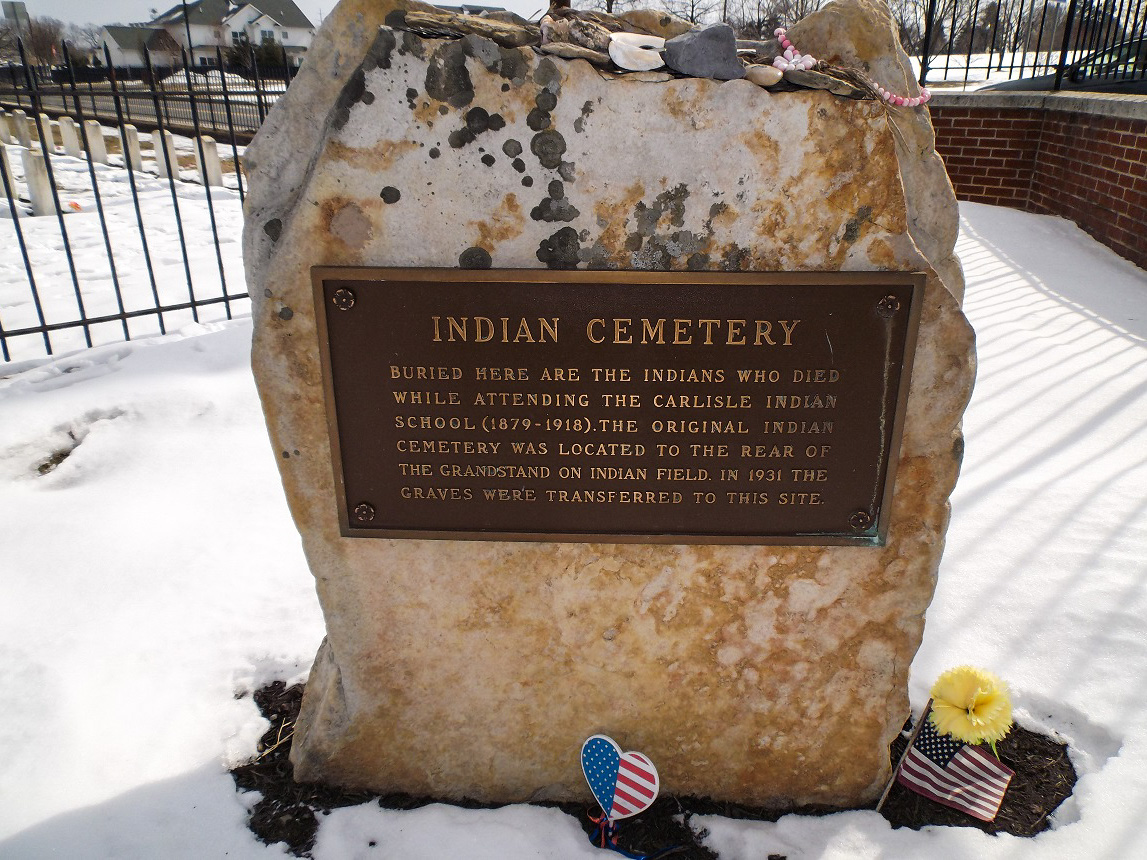
By a vote of 2-1, the 4th Circuit Court of Appeals on Thursday sided with the tribe regarding the burials of two Winnebago boys who were taken from their community and sent hundreds of miles away to the Carlisle Industrial Indian School in Pennsylvania. The majority concluded that the Native American Graves Protection and Repatriation Act, a federal law commonly known as NAGPRA, applies to remains at a cemetery managed by the U.S. military.
“In the late 1800s, two children of the Winnebago Tribe of Nebraska were removed
from their homes and placed in a federal Indian boarding school on a United States Army
base,” Judge Pamela Harris noted in the 25-page majority decision.
“The boys died at the school, allegedly as a result of abusive conditions, and were
buried on site without the consent of their families and in contravention of their tribal and
religious traditions,” continued Harris, who was nominated to the federal bench over a decade ago by then-president Barack Obama.
The Department of the Army, which oversees the Carlisle Barracks Post Cemetery, rejected the tribe’s request to return the remains of Samuel Gilbert and Edward Hensley to Nebraska. But the appeals court said one of the primary purposes of NAGPRA is to correct “shameful” actions of the U.S. government.
“It does a disservice to the Congress that enacted NAGPRA to suggest that the act’s purpose would be vindicated by leaving this tragic injustice unremedied,” the decision stated.
“On the contrary, it is the repatriation of Samuel’s and Edward’s remains so that they may be
buried consistent with tribal tradition that would honor Congress’s intent to address the
‘desires of Indians to bury their dead,’ for too long ‘ignored,'” Harris wrote, quoting the words of the late U.S. Sen. Daniel Inouye, a Democratic lawmaker who was the primary sponsor of NAGPRA more than 35 years ago.
Yet even though NAGPRA went on the books decades ago in 1990, the 4th Circuit observed that the Winnebago case represents the first of its kind. No tribe — so far — has been able to force the U.S. military to comply with the law.
Instead, other tribes have had to follow arcane military regulations to reclaim young ones who died at Carlisle and were buried there. Now, the burden is on the federal government to live up to its obligations under NAGPRA.
“The statute’s language and structure refute that interpretation,” the Republican-nominated judge asserted.

The other member of the appeals court who joined the majority ruling is Senior Judge Henry F. Floyd, who was named to the 4th Circuit in 2011 by then-president Obama, a Democrat. He previously served as a federal judge in South Carolina, having been nominated by former president George W. Bush, a Republican. The disagreement in the case makes it a possible candidate for a rehearing by a larger set of judges on the 4th Circuit. The court has not historically heard many Indian law cases as there are few federally recognized tribes in the states of Virginia, Maryland, North Carolina, South Carolina and West Virginia. The headquarters of the Army, as well as the Office of Army Cemeteries, are in Virginia. The case will continue in the U.S. District Court for the Eastern District of Virginia, where it was heard in Alexandria, a city that recently observed its 275th anniversary.
4th Circuit Court of Appeals Decision
Winnebago Tribe of Nebraska v. U.S. Department of the Army (May 14, 2026)
Related Stories
Search
Filed Under
Tags
More Headlines
Native America Calling: Assessing college campus safety in light of troubling allegations at Cornell University
Native America Calling: Native authors and book sellers reflect on a record year for banned books
Native America Calling: Native Playlist with Jeremy Dutcher and Mali Obomsawin
Native America Calling: What removing questions about race from the U.S. Census means for Native Americans
Chuck Hoskin: Cherokee Nation employees serve their communities
Native America Calling: One tribe breaks from the pack on prediction markets
Native America Calling: Finding success through the art of contemporary horsemanship
Testimony: Stephanie Bryan, Poarch Band of Creek Indians
Testimony: Michell Hicks, Eastern Band of Cherokee Indians
Testimony: Mark Macarro, Pechanga Band of Indians
Testimony: Patricia Leach, Catawba Nation
Testimony: Bryan Mercier, Bureau of Indian Affairs
Senate Committee on Indian Affairs holds business meeting and legislative hearing
Native America Calling: How Indigenous voices adapt to rapidly-evolving media
Native America Calling: PBS documentary ‘Knowledge Keepers’ explores Native scientific innovations
More Headlines
Native America Calling: Native authors and book sellers reflect on a record year for banned books
Native America Calling: Native Playlist with Jeremy Dutcher and Mali Obomsawin
Native America Calling: What removing questions about race from the U.S. Census means for Native Americans
Chuck Hoskin: Cherokee Nation employees serve their communities
Native America Calling: One tribe breaks from the pack on prediction markets
Native America Calling: Finding success through the art of contemporary horsemanship
Testimony: Stephanie Bryan, Poarch Band of Creek Indians
Testimony: Michell Hicks, Eastern Band of Cherokee Indians
Testimony: Mark Macarro, Pechanga Band of Indians
Testimony: Patricia Leach, Catawba Nation
Testimony: Bryan Mercier, Bureau of Indian Affairs
Senate Committee on Indian Affairs holds business meeting and legislative hearing
Native America Calling: How Indigenous voices adapt to rapidly-evolving media
Native America Calling: PBS documentary ‘Knowledge Keepers’ explores Native scientific innovations
More Headlines