Indianz.Com > News > Press Release: Rappahannock Tribe objects to water permit on ancestral homelands
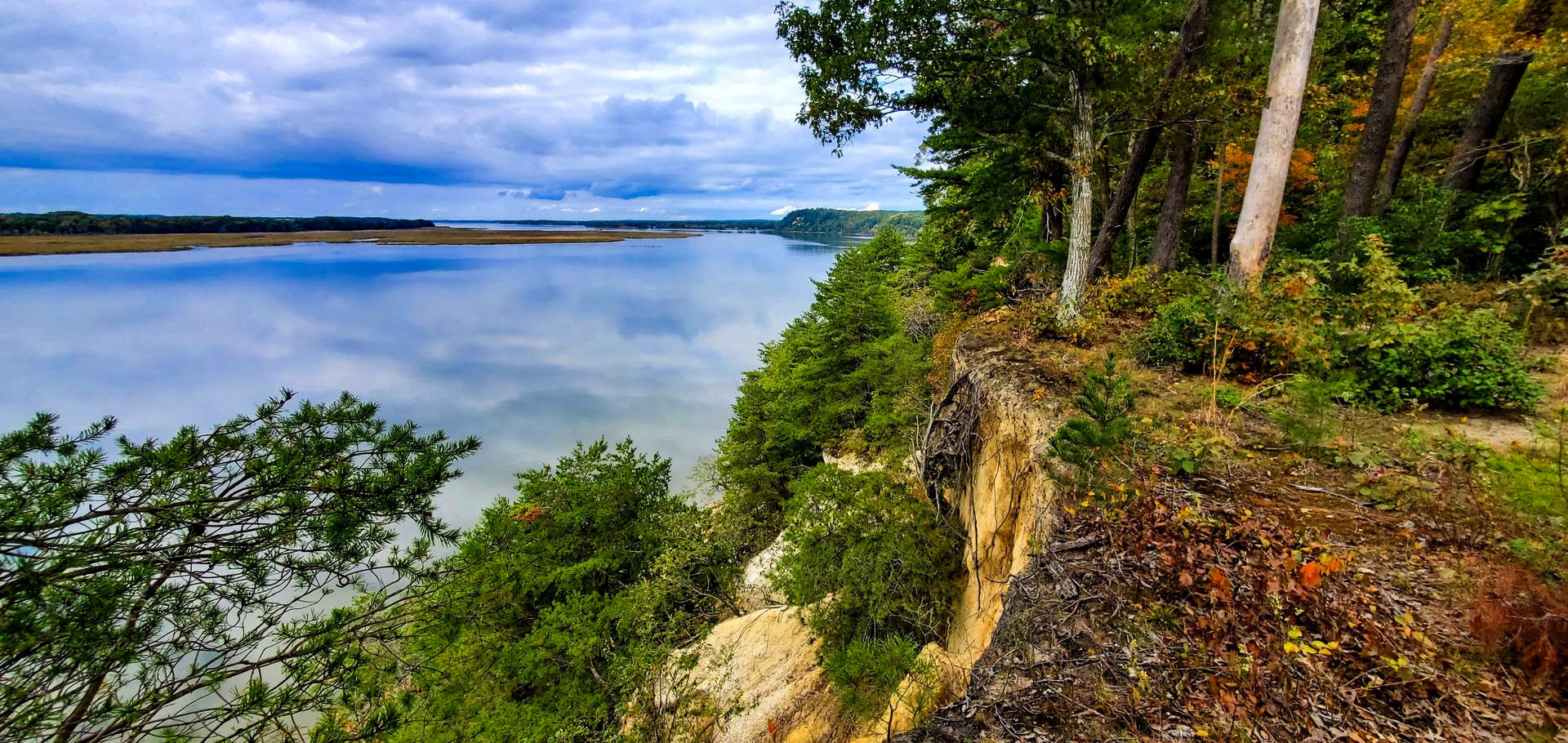
Rappahannock Tribe Expresses Objections to Caroline County’s Water Withdrawal Permit Approval and New Intake Design and Operation Standards Presented by DWR
Monday, January 5, 2026
Indianz.Com
The following is the text of a January 5, 2026, news release from the Rappahannock Tribe.
Indian Neck, Virginia — The Rappahannock Tribe of Virginia has expressed deep concern following the Virginia Department of Environmental Quality’s (DEQ) decision in early December to grant Caroline County a permit allowing the withdrawal of 9 million gallons of water per day from the Rappahannock River. This 15-year permit, for a total of 49.275 billion gallons of public water, authorizes the construction of a new water intake system along one of the most culturally and environmentally significant rivers in Virginia and the ancestral homeland of the Rappahannock Tribe.
While Caroline County previously sought approval to withdraw 13.9 million gallons of water daily for both residential and industrial cooling uses, public backlash forced revisions that reduced the volume and removed the term “industrial use” from the official permit. Despite these language changes, this permit will still result in an inter-basin transfer of water as the wastewater will be discharged into the Mattaponi River basin post-treatment. This creates serious risks to the Rappahannock River’s ecological health, cultural integrity, and long-term sustainability.
The Rappahannock Tribe is a federally recognized sovereign nation. Its ancestral homeland includes the water of the Rappahannock River, which has been the Tribe’s namesake and cultural epicenter for more than a millennium. In 2024, the Tribe adopted the Rights of Nature into its Constitution, recognizing the river’s inherent right to exist, flourish, and regenerate. The current permit violates these protections due to the inter-basin transfer and disregards the Tribe’s inherent and federally acknowledged right to the waterway.
The Tribe objects to Caroline County and the Commonwealth of Virginia asserting authority over the physical waters and water property rights of the Rappahannock River without Tribal consultation. Allowing this vast withdrawal of water threatens vital river ecosystems and undermines the State’s responsibility to respect Tribal sovereignty.
“It is infringing on the rights of nature as stated in our Constitution,” said Chief Anne Richardson. “We will fight it.”
The Tribe recognizes Caroline County’s need to secure safe drinking water for its residents and is not opposed to the use of surface water withdrawal for public drinking purposes. However, this need should not come at the expense of Tribal rights or the river’s health. Indigenous stewardship has been ignored for generations, even though the Tribe has proven that ethical water resource solutions do exist.
The Tribe calls on Caroline County, DEQ, and the Commonwealth of Virginia to pursue a collaborative, long-term solution that would include all sovereign government interests in the Rappahannock River Basin. This is critical to ensure shared governance, sustainable usage, and mutual protection of the river.
“Every community residing in the Potomac Aquifer and the Rappahannock River Basin must create more sustainable water supply solutions. Temporary fixes cannot protect our future; however, true stewardship can. We are evaluating all of our options to defend the Rappahannock River and uphold its rights, sovereignty, and responsibilities to future generations,” said Chief Anne Richardson.
DWR Proposes New Intake Design and Operation Standards That Could Impact Future Water Management
The Tribe has also expressed strong opposition to the Virginia Department of Wildlife Resources (DWR) proposed revision of Surface Water Withdrawal Intake Design and Operation Standards, which is currently in the public comment stage. While the Caroline County water intake permit currently relies on the longstanding guidance, the new proposed standards could be applied to Caroline County’s permit in the future upon appeal or reissuance if approved, potentially shaping the construction and operation of future water intake systems across the Commonwealth.
DWR’s proposal to revise current intake and design operation standards represents a major shift in how Virginia manages surface water withdrawals and, if adopted, would significantly weaken protections for aquatic life statewide.
The updated guidance also violates Tribal treaty rights upheld in the Treaty of Middle Plantation and conflicts with the Rappahannock Tribal Constitution, which protects the Rappahannock River’s rights and the Tribe’s responsibilities as its steward.
The new proposal standards proposed by DWR would allow intake structures to use larger mesh sizes and operate at higher intake velocities, increasing the likelihood of fish entrapment and destruction of ecosystems. These changes in policy contradict the Commonwealth’s commitment to conserving natural resources and undermine science-based conservation principles.
“While the Caroline County permit does not currently rely on these proposed standards presented by DWR, its approval would underscore why these regulations are so consequential,” said Director of Environmental and Natural Resources Jack Ryan. “If adopted, the new standards proposed by DWR would govern how future intake systems on the Rappahannock River and all Virginia waterways are designed, monitored, and regulated.”
The DWR proposal, as written, is incomplete and introduces opportunities for reduced transparency, inconsistent enforcement, and unreliable protections for aquatic life. It also lacks a clear scientific justification and weakens the very safeguards DWR is responsible for upholding.
Call to Action: The Rappahannock Tribe urges DWR to withdraw this proposal, maintain or strengthen existing intake standards, and recommit to providing transparent, science-driven guidance that protects Virginia’s waterways and the communities that depend on them. Land Acknowledgement
In the spirit of respect and acknowledgment, we recognize that the Rappahannock River Valley is characterized by deep-rooted traditions and rich history that is woven into the fabric of this region. As we engage with the land today, we honor and acknowledge the Rappahannock people that have nurtured this space long before us. The Rappahannock River Valley is not merely historical; it is alive in our stories, songs, and spiritual practices that embody the wisdom of generations who have walked this very ground.
Search
Filed Under
Tags
More Headlines
NAFOA: 5 Things You Need to Know This Week (July 13, 2026)
Chuck Hoskin: Cherokee Nation builds largest and best tribal healthcare system
Native America Calling: Tribal solar projects shine on without much federal support
Native America Calling: Native student discipline disparities persist at New Mexico school district
Indian boarding school healing efforts face challenges at national level
Native America Calling: Native programs aimed at cultivating responsible tourism
Native America Calling: Trump Administration escalates attack on Native American museum narratives
Cronkite News: United States falters in World Cup following intervention by President Trump
Native America Calling: Finding success through the art of contemporary horsemanship
NAFOA: 5 Things You Need to Know This Week (July 6, 2026)
Chuck Hoskin: Recommitting to an America that keeps promises to tribal nations
Native America Calling: Two Native artists making waves in the arts world
Native America Calling: Native Hall of Fame recognizes leaders and advocates whose work benefits tribes and community
Native America Calling: Native historians elevate overlooked history in the wake of America250 celebrations
Native America Calling: Native food and America’s origins, a tribal vineyard and an ‘Indigenous’ cafe
More Headlines
Chuck Hoskin: Cherokee Nation builds largest and best tribal healthcare system
Native America Calling: Tribal solar projects shine on without much federal support
Native America Calling: Native student discipline disparities persist at New Mexico school district
Indian boarding school healing efforts face challenges at national level
Native America Calling: Native programs aimed at cultivating responsible tourism
Native America Calling: Trump Administration escalates attack on Native American museum narratives
Cronkite News: United States falters in World Cup following intervention by President Trump
Native America Calling: Finding success through the art of contemporary horsemanship
NAFOA: 5 Things You Need to Know This Week (July 6, 2026)
Chuck Hoskin: Recommitting to an America that keeps promises to tribal nations
Native America Calling: Two Native artists making waves in the arts world
Native America Calling: Native Hall of Fame recognizes leaders and advocates whose work benefits tribes and community
Native America Calling: Native historians elevate overlooked history in the wake of America250 celebrations
Native America Calling: Native food and America’s origins, a tribal vineyard and an ‘Indigenous’ cafe
More Headlines