Indianz.Com > News > ‘We’re gonna make some meaningful change’: Indian Country rallies to support youth and families
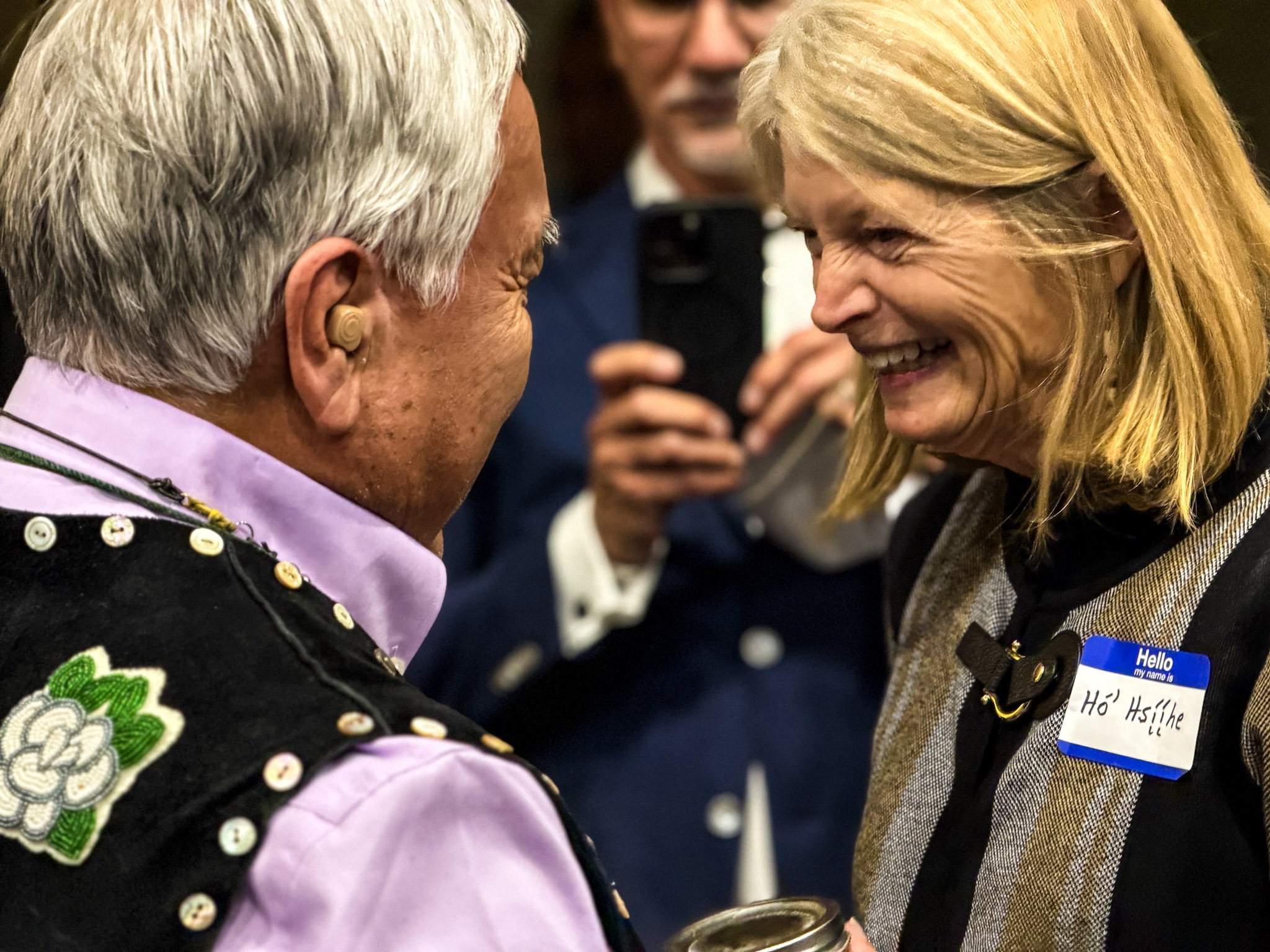
‘We’re gonna make some meaningful change’: Indian Country rallies to support youth and families
Thursday, February 12, 2026
Indianz.Com
WASHINGTON, D.C. —
Indian Country is rallying to continue the work of the Alyce Spotted Bear and Walter Soboleff Commission on Native Children.
Congress established the commission in honor of Alyce Spotted Bear, an educator and former chairwoman of the Mandan, Hidatsa, and Arikara Nation, and Walter Soboleff, a revered Tlingit elder who fought for Alaska Native rights and education. Members of the panel spent more than three years studying the ways in which the federal government can better support American Indian, Alaska Native and Native Hawaiian children.
“We gathered baseline data on topics including juvenile justice, socioeconomic issues, mental health, suicide, infant and child mortality, child welfare, substance use, ACEs or adverse childhood experiences, educational achievement, physical health, and we held hearings both in-person and during COVID virtually,” commission member Anita Fineday told the Senate Committee on Indian Affairs on January 28.
“We heard from elected officials, community leaders,” said Fineday, a citizen of the White Earth Nation who previously served as chief judge of her tribe’s court system in Minnesota.
“We had 26 site visits and 10 regional hearings, as well as 25 virtual hearings. We heard from experts in their fields, and we heard from scholars who had worked in each of these areas throughout their careers,” Fineday added.

 youtu.be
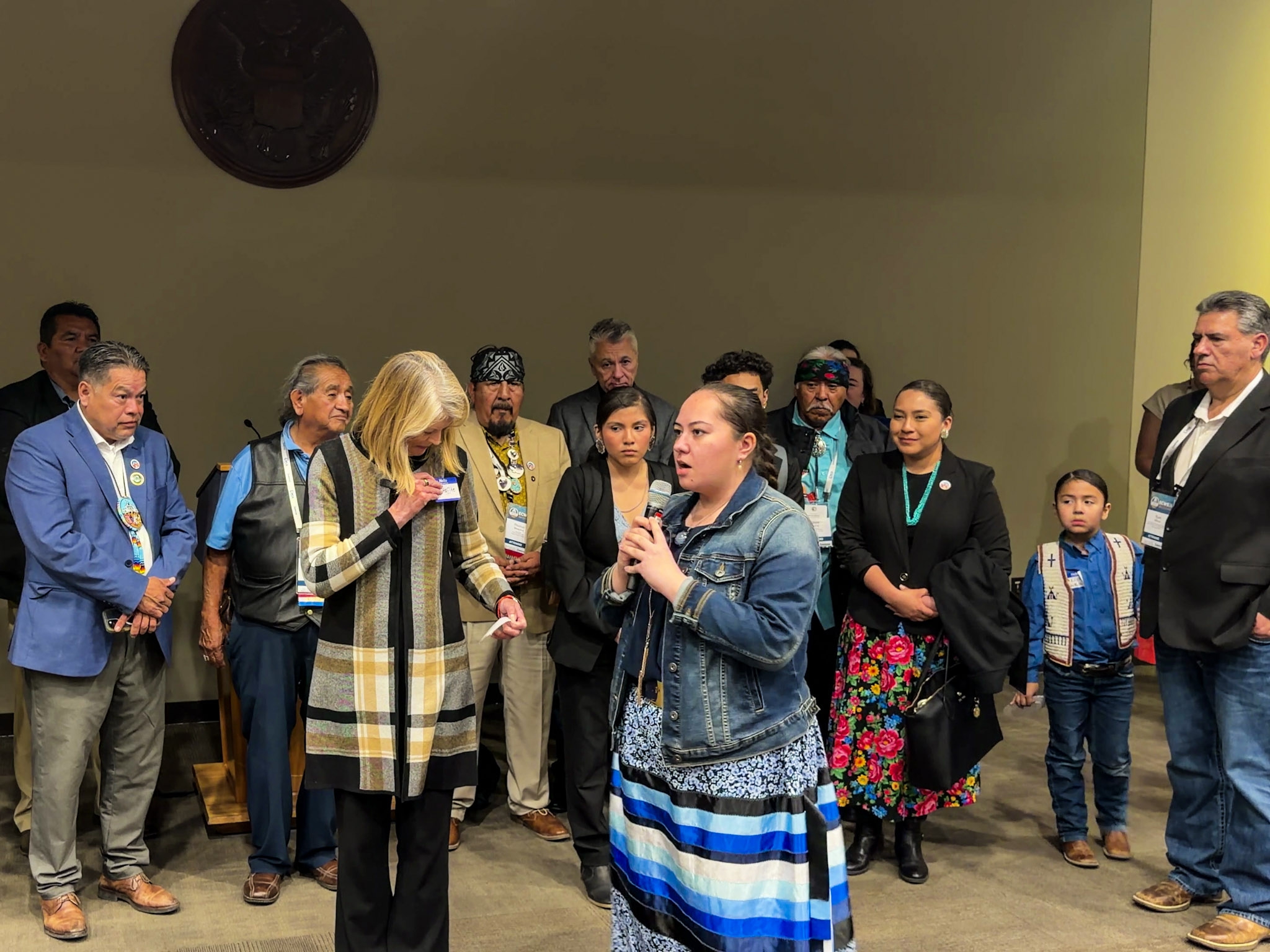
More importantly, the proposed bill invests resources in order to make lasting change, according to Ben Mallott, the president of the Alaska Federation of Natives. Speaking at the National Congress of American Indians (NCAI) executive council winter session in Washington, D.C., this week, he marveled at the size and scope of the draft bill. “The bill not only gives, you know, authorization, but also it backs it up with more money,” said Mallott, who previously worked on Capitol Hill as a staffer for Murkowski. “They never fund Indian Country, you all know that,” Mallott said at NCAI’s meeting on Tuesday, where a panel of experts discussed numerous provisions being considered for inclusion in the legislation. Advocates anticipate introduction of the Native Children’s Commission Implementation Act in May or June of this year. Rudy Soto, the executive director of the National American Indian Housing Council, urged tribal leaders and tribal citizens to rally around the pending legislation. “Continue to learn the ins and outs of this legislation and carry that information forward at home with your Representatives, with your Congressional delegation, with your Senators,” Soto, a citizen of the Shoshone-Bannock Tribes, said during the panel hosted by NCAI. “Get them on board.” “You know, this is important for us in Indian Country to unify around legislation that impacts all of us for our children and families,” added Soto.Native Children's Commission Implementation Act Panel, from left: Marisa Cummings, Jay Spaan, David Simmons @NativeChildren, Ben Mallott @NativeFed, A.C. Locklear @NIHB1, Rudy Soto @naihc_national on legislation to protect Native children & their families. @NCAI1944 #NativeYouth pic.twitter.com/NbclHSYWba
— indianz.com (@indianz) February 10, 2026

Title I – Child Welfare
Title II – Justice for Children, Youth, and Families
Title III – Improving Research and Data
Title IV – Improving the Physical and Behavioral Health of Native Children
Title V – Environmental Health Protection
Title VI – Improving Nutrition Programs for Native Children, Youth, and Families
Title VII – Addressing Homelessness in Native Communities
Title VIII – Education
Title IX – Improving the Workforce for Families
[PDF: Discussion Draft | Section-by-Section Analysis]
The January 28 hearing focused on Title II – Justice for Children, Youth, and Families. The committee heard from tribal leaders and experts about provisions meant to safeguard Native children and their families.
“As Sitting Bull once said, ‘If we can put our hearts and minds together, we can make a better life for our children,'” testified Lonna Jackson-Street, the chairwoman of the Spirit Lake Nation in North Dakota.
Title II – Justice for Children, Youth, and Families
Title III – Improving Research and Data
Title IV – Improving the Physical and Behavioral Health of Native Children
Title V – Environmental Health Protection
Title VI – Improving Nutrition Programs for Native Children, Youth, and Families
Title VII – Addressing Homelessness in Native Communities
Title VIII – Education
Title IX – Improving the Workforce for Families
[PDF: Discussion Draft | Section-by-Section Analysis]
“Preserve and make Tiwahe permanent”: Vivian Korthuis, CEO of Association of Village Council Presidents, calls on Congress to formalize Tiwahe Program so more tribes can improve family and social services in their communities. @NCAI1944 @AVCPAlaska #Tiwahe #DC pic.twitter.com/i3VhfuN9i5
— indianz.com (@indianz) February 11, 2026
Search
Filed Under
Tags
More Headlines
Native America Calling: How a young Ponca activist shaped the future of Native activism
Native America Calling: Tribes remain excluded from some major water policy decisions
Native America Calling: Assessing college campus safety in light of troubling allegations at Cornell University
Native America Calling: Native authors and book sellers reflect on a record year for banned books
Native America Calling: Native Playlist with Jeremy Dutcher and Mali Obomsawin
Native America Calling: What removing questions about race from the U.S. Census means for Native Americans
Chuck Hoskin: Cherokee Nation employees serve their communities
Native America Calling: One tribe breaks from the pack on prediction markets
Native America Calling: Finding success through the art of contemporary horsemanship
Testimony: Stephanie Bryan, Poarch Band of Creek Indians
Testimony: Michell Hicks, Eastern Band of Cherokee Indians
Testimony: Mark Macarro, Pechanga Band of Indians
Testimony: Patricia Leach, Catawba Nation
Testimony: Bryan Mercier, Bureau of Indian Affairs
Senate Committee on Indian Affairs holds business meeting and legislative hearing
More Headlines
Native America Calling: Tribes remain excluded from some major water policy decisions
Native America Calling: Assessing college campus safety in light of troubling allegations at Cornell University
Native America Calling: Native authors and book sellers reflect on a record year for banned books
Native America Calling: Native Playlist with Jeremy Dutcher and Mali Obomsawin
Native America Calling: What removing questions about race from the U.S. Census means for Native Americans
Chuck Hoskin: Cherokee Nation employees serve their communities
Native America Calling: One tribe breaks from the pack on prediction markets
Native America Calling: Finding success through the art of contemporary horsemanship
Testimony: Stephanie Bryan, Poarch Band of Creek Indians
Testimony: Michell Hicks, Eastern Band of Cherokee Indians
Testimony: Mark Macarro, Pechanga Band of Indians
Testimony: Patricia Leach, Catawba Nation
Testimony: Bryan Mercier, Bureau of Indian Affairs
Senate Committee on Indian Affairs holds business meeting and legislative hearing
More Headlines