Indianz.Com > News > Cronkite News: Navajo psychiatrist addresses mental health needs
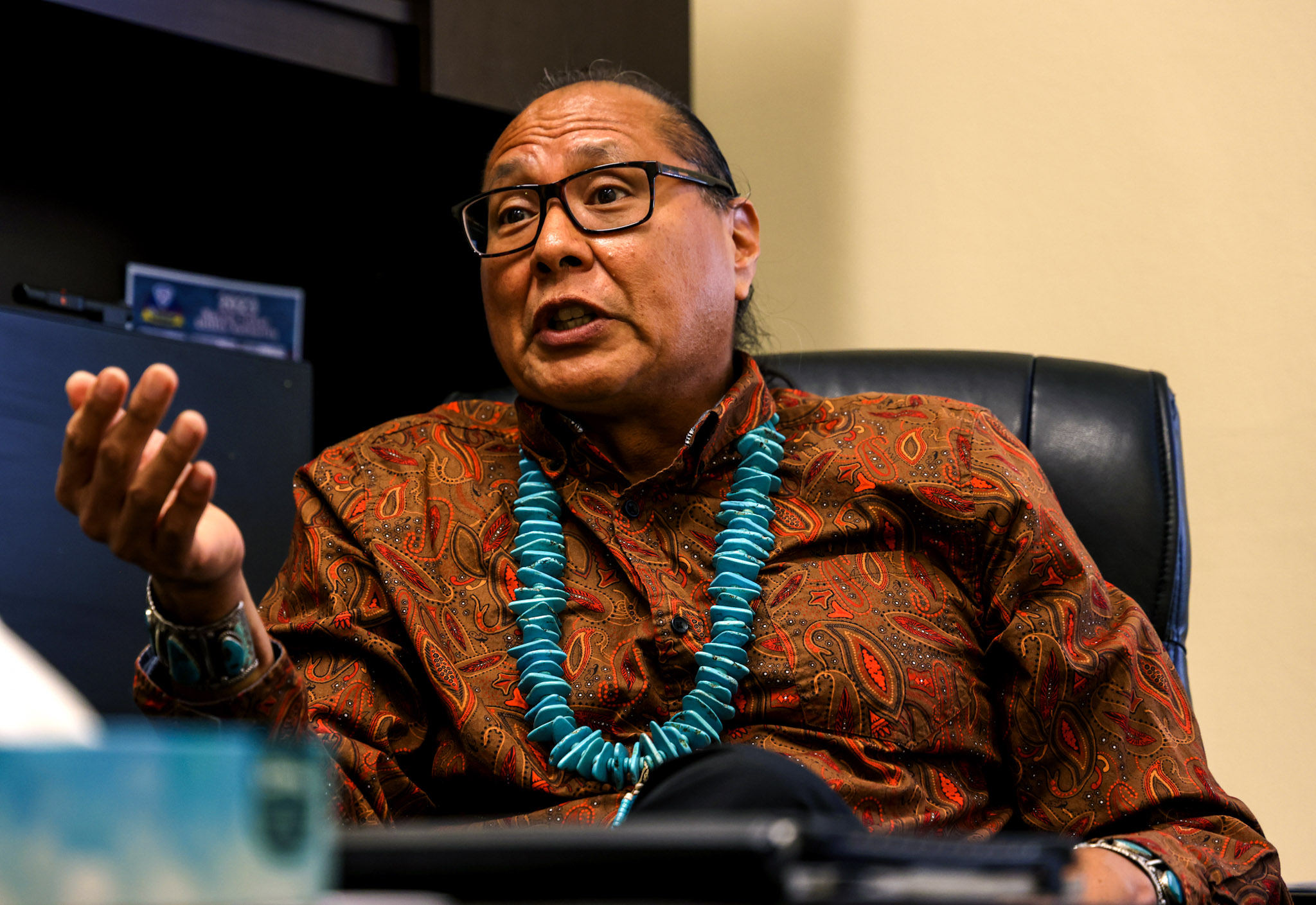
Navajo psychiatrist bridges gaps between Native American culture and behavioral health care
Monday, April 29, 2024
Cronkite News
If you or someone you know is struggling with thoughts of suicide, the 988 Suicide & Crisis Lifeline is available 24/7. Call or text 988.
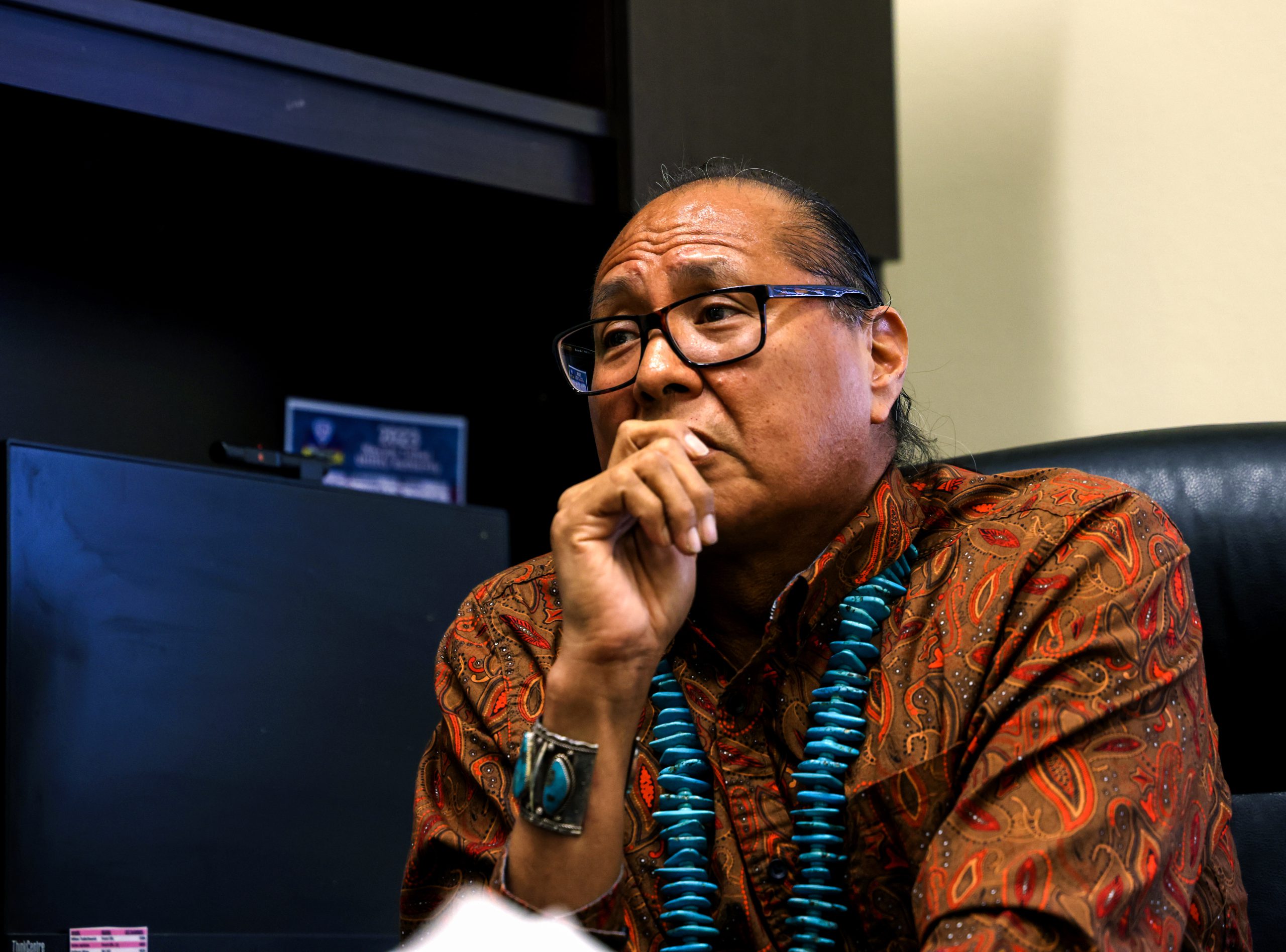
GANADO — As a Navajo himself, Dr. Richard Laughter understands mental health issues experienced by members of the Navajo Nation on a deeply personal level. As a Native American psychiatrist, he breaks down accessibility barriers for his people by blending Native cultural practices with Western behavioral health care. According to Laughter, the rural nature of the Navajo Reservation greatly impacts the number of accessible behavioral health services because of the distances people have to travel to get to them. The Navajo Nation website says tribal lands cover 27,000 square miles in Arizona, Utah and New Mexico. “The care service is very small because we are rural, the whole reservation is rural, so we’re going to have a big shortage,” he said. “There is some stability, but there is a lot of instability, too.” This lack of mental health care has impacted the Native American community at large. The suicide mortality rate for American Indian/Alaska Native individuals (39.7 suicides per 100,000 population) was the highest of any racial and ethnic group in Arizona in 2021, according to the Arizona Department of Health Services. Laughter identified himself as the only Navajo psychiatrist on the reservation and pointed to the interconnected nature of providers on the reservation as evidence. “For some reason, psychiatry hasn’t been big for the Navajos that have gone to medical school,” he said. “Usually, it is a small circle. If there was another Native psychiatrist, I think I would have found out through those circles.” Laughter is working to bridge gaps in mental health care in his work for the behavioral health unit at Sage Memorial Hospital in Ganado, “Most people here are running into counselors, psychiatrists and nurse practitioners who are non-Indians,” he said. “Then, it’s hard for them to communicate and relate. By me being Native, at least it kind of relaxes them, even though I don’t speak the (Navajo) language.”
Personal connection
Laughter attended the University of Utah for both his undergraduate degree and medical degree and completed a four-year residency in psychiatry at the University of Nevada, Reno.
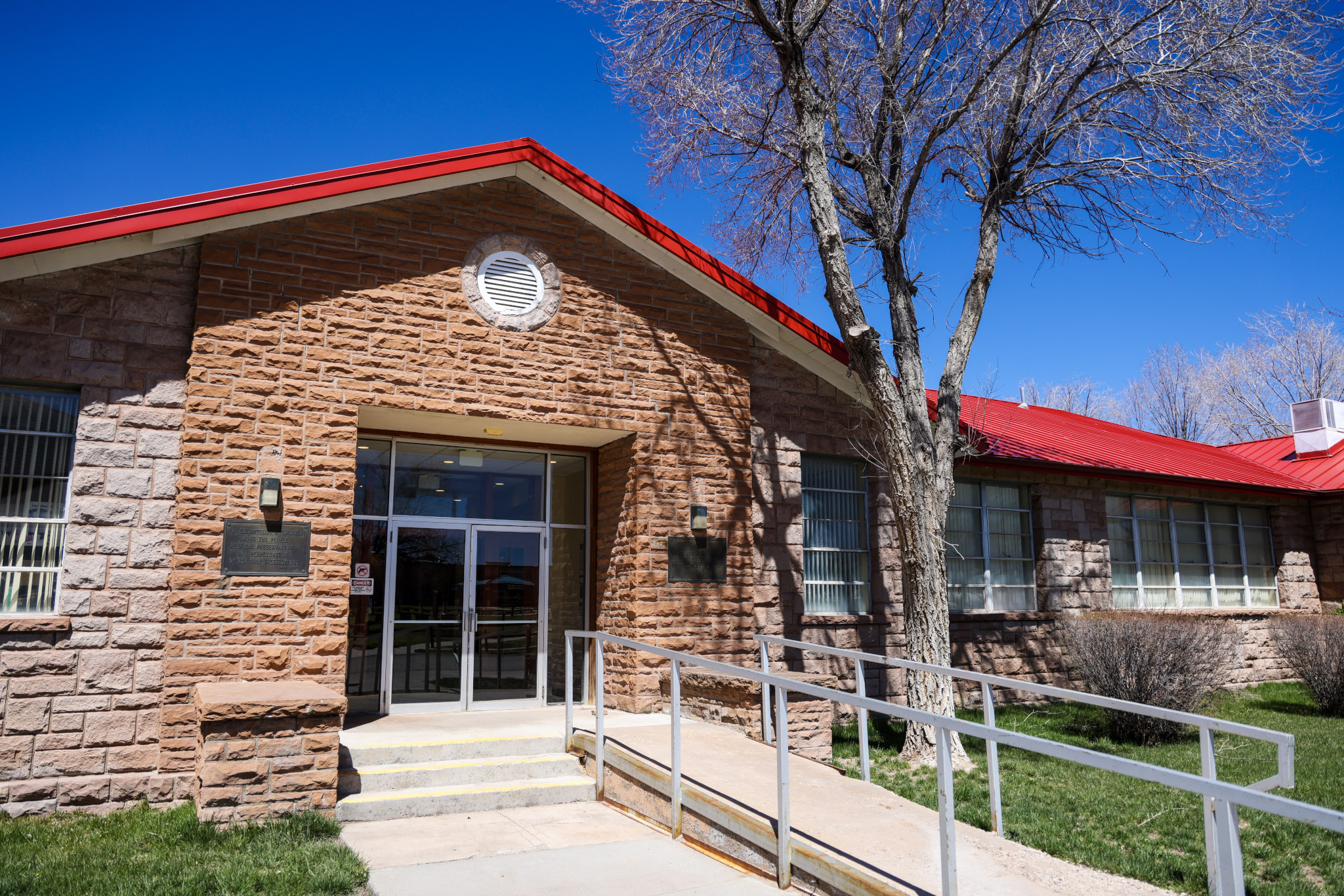
He worked for four years at the Gallup Indian Medical Center, a facility run by the Indian Health Service in Gallup, New Mexico, and went into private practice. He is now a key member of the behavioral health team at Sage Memorial Hospital, a unique Native-managed comprehensive health care system, poised to open a brand new 90,000-square-foot facility this summer.
Navajo people often refer to themselves as “Diné,” which means “the people” in the Navajo language. Another culturally significant way Navajo people identify themselves is through the clan system. Laughter’s clans are Bit’an’nii, born for T’od’ich’nii.
He said clan systems relate to the word “k’é,” meaning system of kinship.
“They say in Navajo, ‘k’é,’ and that means we’re all related, we’re all here to help, we’re all together on this life journey,” Laughter said. “The clan system further divides what your relationship is with that other person. What it does is, I think, promote that harmonious life.”
At the center of his decision to enter psychiatry, Laughter cited an intense desire to help his people.
“With our people, there is a lot of transition into the Western world and historical trauma,” Laughter said. “My dad went to boarding school at Intermountain up in Utah, and they used to send people away to church homes. They figured that they would teach us English, even though they were fluent speakers of our language.”
Laughter said the transition away from Native culture drove his family to alcohol. He stayed away from it until the night of his high school graduation.
“I tried it, and it relieved some of the stress that I was going through at home with domestic violence,” he said. “It got me into some trouble. Not with the law, just being rowdy. Then, I gave myself to God and decided I wanted to help people.”
Laughter draws upon personal experience and familial struggle to strengthen his connection with his patients and point them to available resources for help.
“I can tell them now that they can get well with all these programs they have available to them,” Laughter said. “AA (Alcoholics Anonymous) groups, counseling, medications. But I did it with nothing. Just pure will and the good creator to guide me.”
Laughter’s practice at Sage Memorial Hospital emphasizes cultural observances combined with Western medicine. He is working on expanding the diversity of care through a variety of traditional practices, such as sweat lodges, hogans and teepees.
After promising his life and medical practice to God, Laughter became immersed in Native American culture. He said he has completed the Lakota Sun Dance ceremony 39 times, a ritual that brings people together to reaffirm their beliefs about the universe. Laughter is also involved in the Native American Church, where he conducts peyote ceremonies when asked to do so.
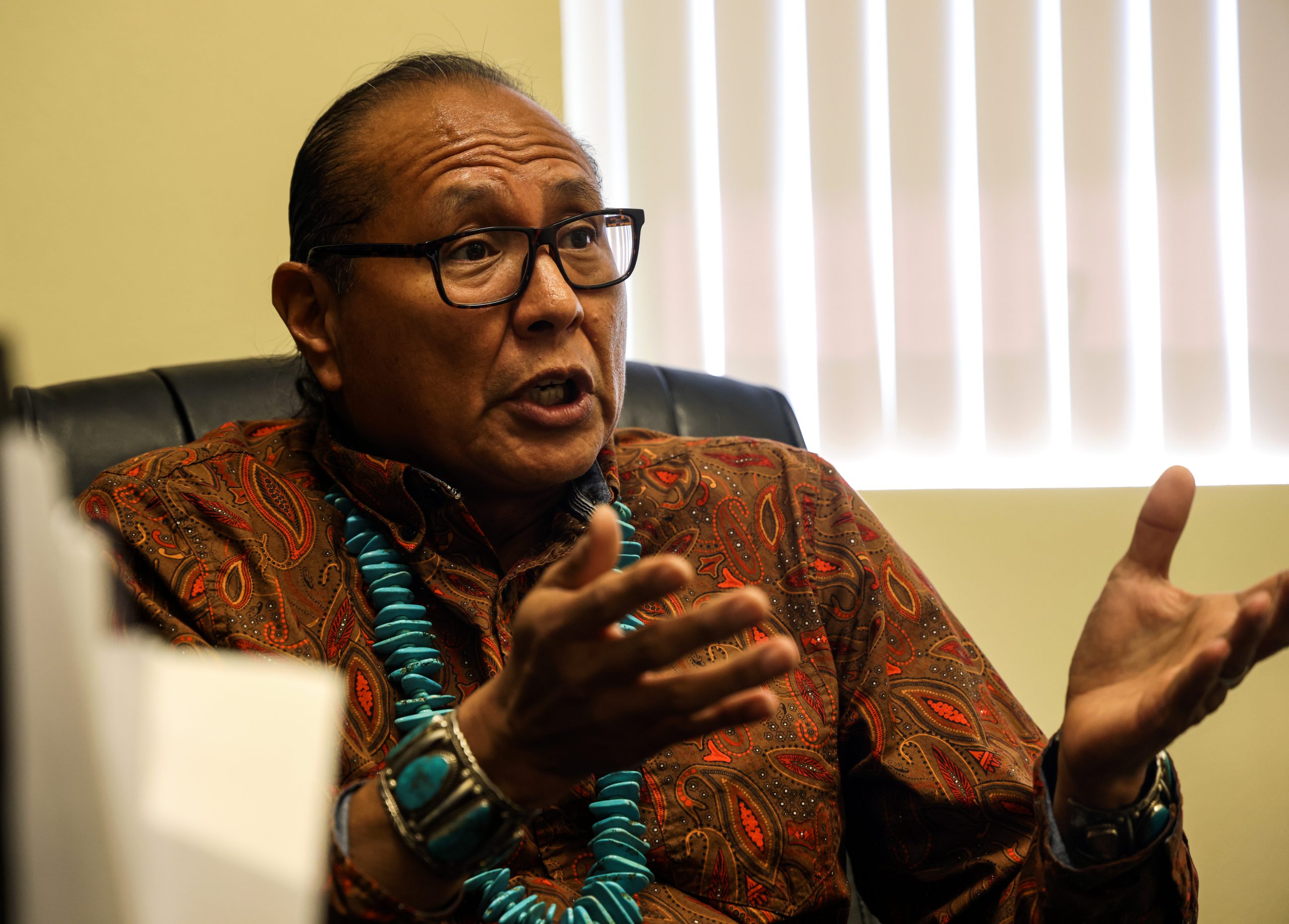
“Along the way, I developed a sense of what helps people outside of the Western philosophy of health,” Laughter said. “In coming down here and trying to help people, you can only do so much for their mental health if you’re just using meds and short therapy sessions.”
Mental health care in Navajo Nation
According to Laughter, it is essential to offer alternatives to traditional Western medicine to provide the Native community with adequate care. He said the focus on a patient’s background is important.
“Our way is to not just understand your current state and try to move forward from there, but to also find out the reasons that brought you to that point,” he said. “By focusing on that, you get a fuller healing. That is the part that really excites me, because there is an element of giving yourself to the higher power.”
Laughter said his patients have voiced fears of only receiving bad news when in a traditional Western medicine setting.
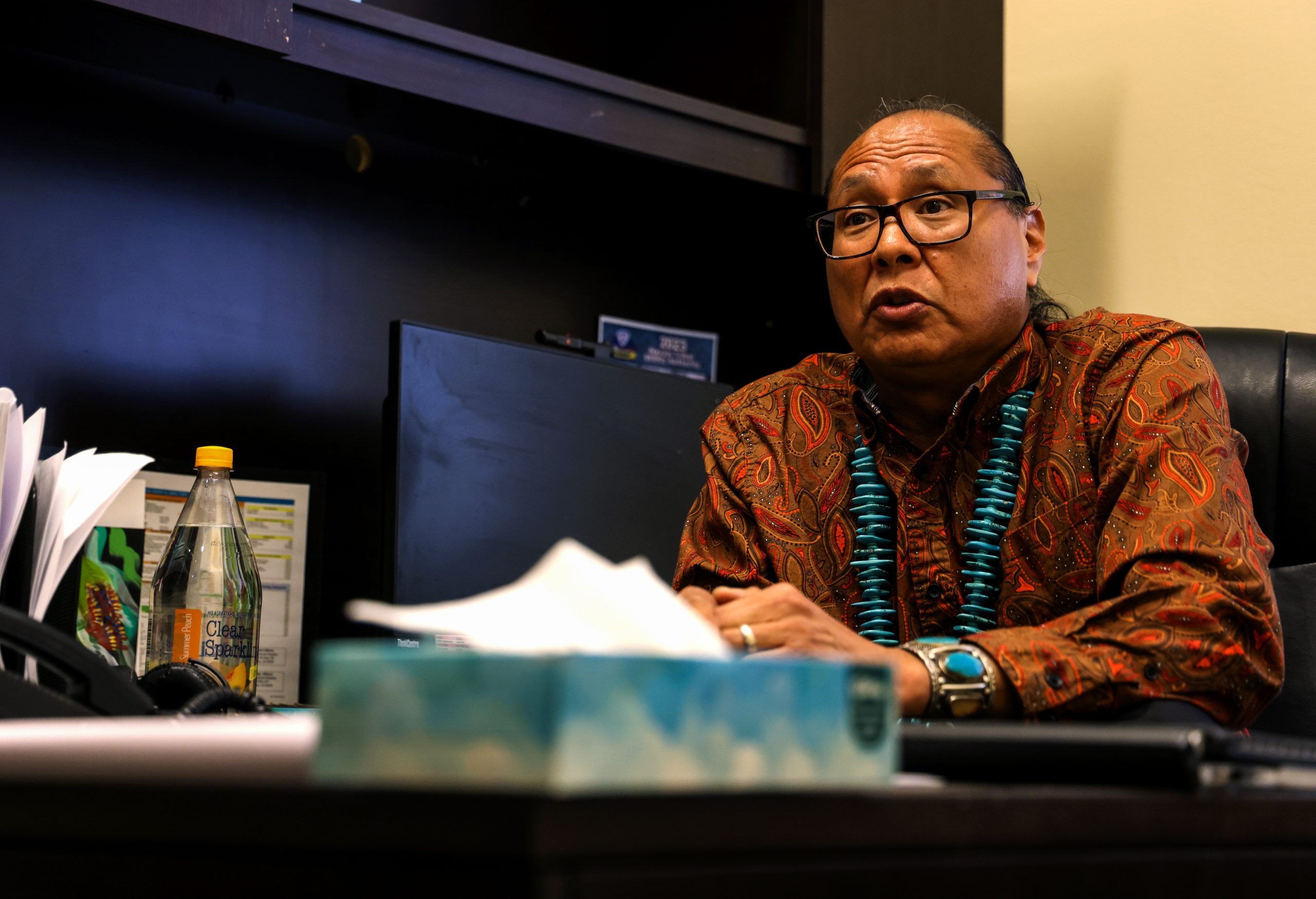
“In Western medicine, you may go to a doctor and spend 10 minutes with them,” Laughter said. “They’re in a hurry to see a lot of people. This results in a lack of education on what’s going on with your body or your mind. So patients come out feeling that they are being experimented on, especially if that medication didn’t work.”
He said another major barrier for Navajo patients is their lack of knowledge about treating disease.
“We have high diabetes rates among the people,” Laughter said. “There’s a big push to educate people from a Western standpoint, but there is still a high prevalence. And then it’s the same with alcohol and domestic violence.”
According to a Centers for Disease Control and Prevention study published in July 2020, “an estimated 100,000 Navajo, about half of the adult population, are living with either type 2 diabetes or prediabetes.”
One of the ways diabetes is being treated within the Navajo Nation is by combining Western medicine with a traditional Native American diet.
Sage Memorial Hospital announced a Produce Prescription Pilot Program in August 2023 to increase fruits, vegetables, healthy foods and traditional foods in Native diets as a way to improve health outcomes. This program is in partnership with a Navajo medical nutritionist named Denee Bex.
Kathryn Barron, the director of outpatient services and community health services at Sage Memorial Hospital, talked about this focus on traditional food systems.
“It’s really about focusing on the traditional, on the things that are already known within Navajo culture, and then incorporating that into our teachings,” Barron said. “(Bex) is going to provide some education for us health care providers too, so we can incorporate that knowledge into how we serve our patients, from a nutrition and traditional focus.”
If you or someone you know is struggling with thoughts of suicide, the 988 Suicide & Crisis Lifeline is available 24/7. Call or text 988.
For more stories from Cronkite News, visit cronkitenews.azpbs.org.
Note: This story originally appeared on Cronkite News. It is published via a Creative Commons license. Cronkite News is produced by the Walter Cronkite School of Journalism and Mass Communication at Arizona State University.
Search
Filed Under
Tags
More Headlines
PHOTOS: Tunica-Biloxi Tribe celebrates at annual powwow
NAFOA: 5 Things You Need to Know this Week
Chuck Hoskin: Cherokee Nation invests in our community
Native America Calling: Native in the Spotlight with Edgar Blatchford
AUDIO: House hearing on budget request for Bureau of Indian Affairs and Indian Health Service
AUDIO: American Indian & Alaska Native Public Witness Hearing: Day 2, Afternoon Session
Native America Calling: After 30 years, a new challenge to car license sovereignty
AUDIO: American Indian & Alaska Native Public Witness Hearing: Day 2, Morning Session
Native America Calling: The graduation milestone
Native America Calling: The imbalance of parole and probation
Native America Calling:Drive to dismantle college inclusion adds another barrier for Native students
NAFOA: 5 Things You Need to Know this Week
Chuck Hoskin: Cherokee Nation continues to offer opportunities to all
Native America Calling: Illinois’ first Native reservation
AUDIO: The Alyce Spotted Bear and Walter Soboleff Commission’s Report on Native Children
More Headlines
NAFOA: 5 Things You Need to Know this Week
Chuck Hoskin: Cherokee Nation invests in our community
Native America Calling: Native in the Spotlight with Edgar Blatchford
AUDIO: House hearing on budget request for Bureau of Indian Affairs and Indian Health Service
AUDIO: American Indian & Alaska Native Public Witness Hearing: Day 2, Afternoon Session
Native America Calling: After 30 years, a new challenge to car license sovereignty
AUDIO: American Indian & Alaska Native Public Witness Hearing: Day 2, Morning Session
Native America Calling: The graduation milestone
Native America Calling: The imbalance of parole and probation
Native America Calling:Drive to dismantle college inclusion adds another barrier for Native students
NAFOA: 5 Things You Need to Know this Week
Chuck Hoskin: Cherokee Nation continues to offer opportunities to all
Native America Calling: Illinois’ first Native reservation
AUDIO: The Alyce Spotted Bear and Walter Soboleff Commission’s Report on Native Children
More Headlines