Indianz.Com > News > Cronkite News: COVID-19 forces changes in HIV services
Pandemic prompts changes to HIV testing and treatment in metro Phoenix
Thursday, February 11, 2021
Special for Cronkite News
Cronkite News
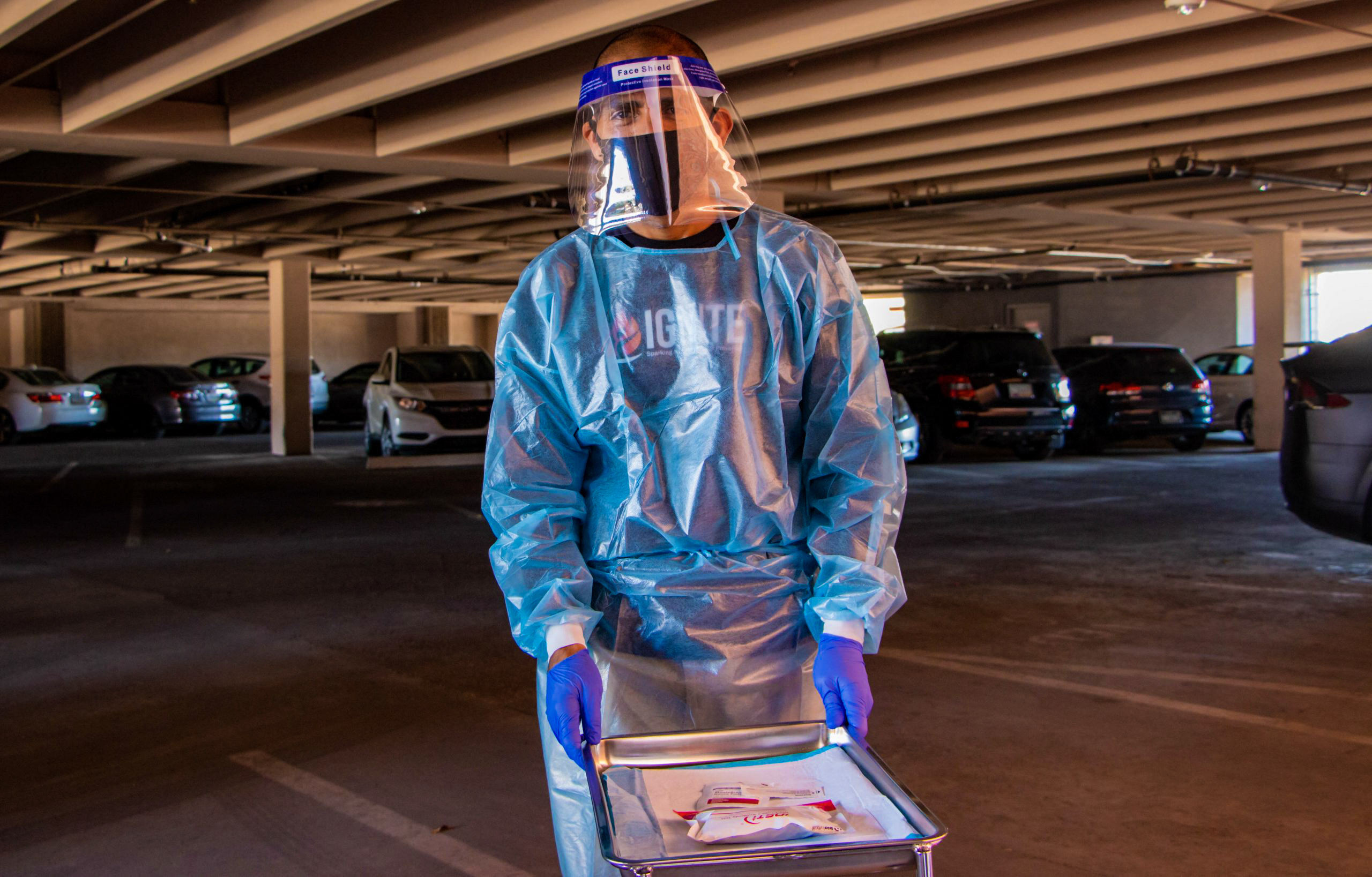
PHOENIX, Arizona – In a downtown parking garage, a health care worker, dressed in protective gear, waits for cars to pull up for drive-thru HIV tests. Inside the building, volunteers assemble packages of at-home tests and condoms to be shipped across the state.
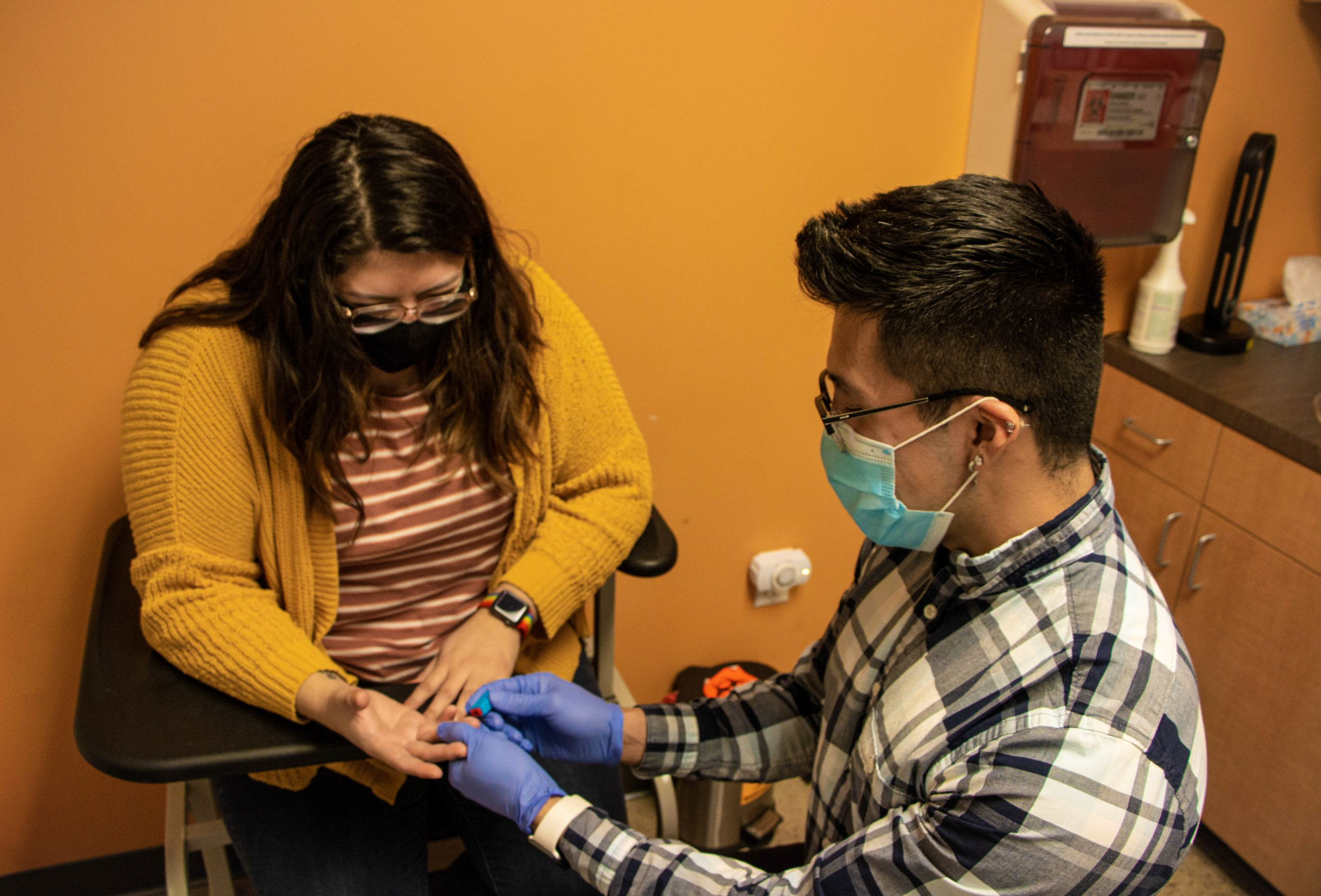
Elsewhere in metro Phoenix, a van travels to neighborhoods whose residents may face higher risk of infection to provide regular HIV testing, while doctors and case managers across the area respond to telehealth appointments by phone and Zoom.
Although face-to-face interactions have been the preferred method for testing and treating people for HIV and supporting them in vulnerable moments, the COVID-19 pandemic has forced local health care providers to get creative and adapt.
Such services as Zoom appointments, along with drive-thru, at-home and mobile testing, epitomize this new normal.
Dr. Ann Khalsa, an HIV specialist with more than 30 years of experience, has been part of the shift. She serves as medical director at Valleywise Community Health Center-McDowell, and spends most days on Zoom and phone calls with patients.
Khalsa said that amid COVID-19 – with so many people “hunkered down” and not prioritizing other medical needs – her clinic has seen a 30% decrease in people getting tested for HIV and linked to treatment.
However, some of the changes in delivery of care are helping, she added, and are likely here to stay.
“I think telehealth isn’t going to go away entirely because it’s too effective, too convenient,” she said. “Most of what we’re doing is counseling and reviewing lab data and talking with people.”
Too often, she said, patients see lack of insurance as a barrier to getting the care they need, and they should know that there are places, including Valleywise Community Health, providing free HIV testing and services. “So please don’t just say, ‘Oh my God, I lost insurance. … I can’t do anything’ and let whatever disease process you may have go untreated,” Khalsa said. “Please, please come in – because we can treat you.” Added Spencer, of Aunt Rita’s Foundation: “It’s hard enough for people to pick up the phone and reach out sometimes and admit they need help. I encourage anyone who needs help to do so. We’re always going to be a friendly ear and a friendly voice.” For more stories from Cronkite News, visit cronkitenews.azpbs.org.While HIV is not the highest in the AI/AN community, it still exists. Help keep our community safe and healthy by knowing your status. Email: iortega@nachci.com to ask about a free HIV test kit and how it can be delivered to you for free. #HIV #KnowYourStatus #GetTested pic.twitter.com/1a1w9sKSw8
— NativeHealthPhoenix (@nativehealthphx) January 25, 2021
Note: This story originally appeared on Cronkite News. It is published via a Creative Commons license. Cronkite News is produced by the Walter Cronkite School of Journalism and Mass Communication at Arizona State University.
Search
Filed Under
Tags
More Headlines
Winnebago Tribe celebrates precedent in burial of children at Indian boarding school
Native America Callling: Native In The Spotlight with Justice Raquel Montoya-Lewis
Press Release: Winnebago Tribe wins decision in NAGPRA case
Source New Mexico: Tribes sue over prediction market platforms
Press Release: Navajo elder’s family criticizes plea deal for admitted suspect
Native America Callling: Native American voting rights advocates brace for diminished Native power at the polls
Native America Callling: How Indigenous knowledge built the foundation for today’s response to the hantavirus outbreak
Secretary Burgum testifies about proposed Indian Country budget cuts
MSU News: Native students connect at youth leadership summit
Tom Cole: Backing tribal law enforcement during National Police Week
Native America Callling: High gas prices eat into business profits and personal budgets
NAFOA: 5 Things You Need to Know This Week (May 11, 2026)
January Hoskin: Honoring the resilient women in our lives
Native America Callling: What’s in the near future for urban elder health care?
Native America Callling: What Native graduates are looking forward to
More Headlines
Native America Callling: Native In The Spotlight with Justice Raquel Montoya-Lewis
Press Release: Winnebago Tribe wins decision in NAGPRA case
Source New Mexico: Tribes sue over prediction market platforms
Press Release: Navajo elder’s family criticizes plea deal for admitted suspect
Native America Callling: Native American voting rights advocates brace for diminished Native power at the polls
Native America Callling: How Indigenous knowledge built the foundation for today’s response to the hantavirus outbreak
Secretary Burgum testifies about proposed Indian Country budget cuts
MSU News: Native students connect at youth leadership summit
Tom Cole: Backing tribal law enforcement during National Police Week
Native America Callling: High gas prices eat into business profits and personal budgets
NAFOA: 5 Things You Need to Know This Week (May 11, 2026)
January Hoskin: Honoring the resilient women in our lives
Native America Callling: What’s in the near future for urban elder health care?
Native America Callling: What Native graduates are looking forward to
More Headlines