Indianz.Com > News > Fake Indian art still a major problem despite federal responsibilities
 YouTube
 Fake Indian art still a major problem despite federal responsibilities
Criminal pleas surface amid vague ‘Indigenous’ claims
Tuesday, March 14, 2023
Indianz.Com
WASHINGTON, D.C. —
Efforts to strengthen the Indian Arts and Crafts Act are gaining new steam as government authorities try to enforce a law aimed at addressing fraud and exploitation of Native cultures and ways of life.
On Monday, the Democratic chairman of the Senate Committee on Indian Affairs unveiled a discussion draft bill called the Amendments to Respect Traditional Indigenous Skill and Talent Act of 2023. Also known as the ARTIST Act [PDF], the proposed legislation seeks to protect the arts, crafts, goods and other creative works that American Indian, Alaska Native and Native Hawaiian people have produced since time immemorial.
“The ARTIST Act would update the Indian Arts and Crafts Act to support creative economies and strengthen enforcement of current law and protections against counterfeit competition for Native artists and their works,” the committee said in a news release on behalf of Sen. Brian Schatz (D-Hawaii), the chair of the legislative panel.
“This discussion draft reflects direct stakeholder input as well as years of committee oversight and broad commitment to the protection of Native cultural patrimony and revitalization of Indigenous languages,” the release continued.
Amendments to Respect Traditional Indigenous Skill and Talent Act (ARTIST Act)
As enacted in 1990, the Indian Arts and Crafts Act makes it a crime to market, sell or promote an item as “Indian” unless it was created by a citizen of a state or federally recognized tribe or by an artisan certified by a tribe. The law was written to prevent the historical and ongoing misrepresentation of Native arts by non-Native entities.
Yet Native artists and their advocates have long complained about the lack of enforcement as fakes and frauds have continued to flood the market and undermine an important source of income in Native communities across the United States. It’s an issue that Secretary Deb Haaland, who is the first Native person to lead the Department of the Interior, has recognized as a major problem.
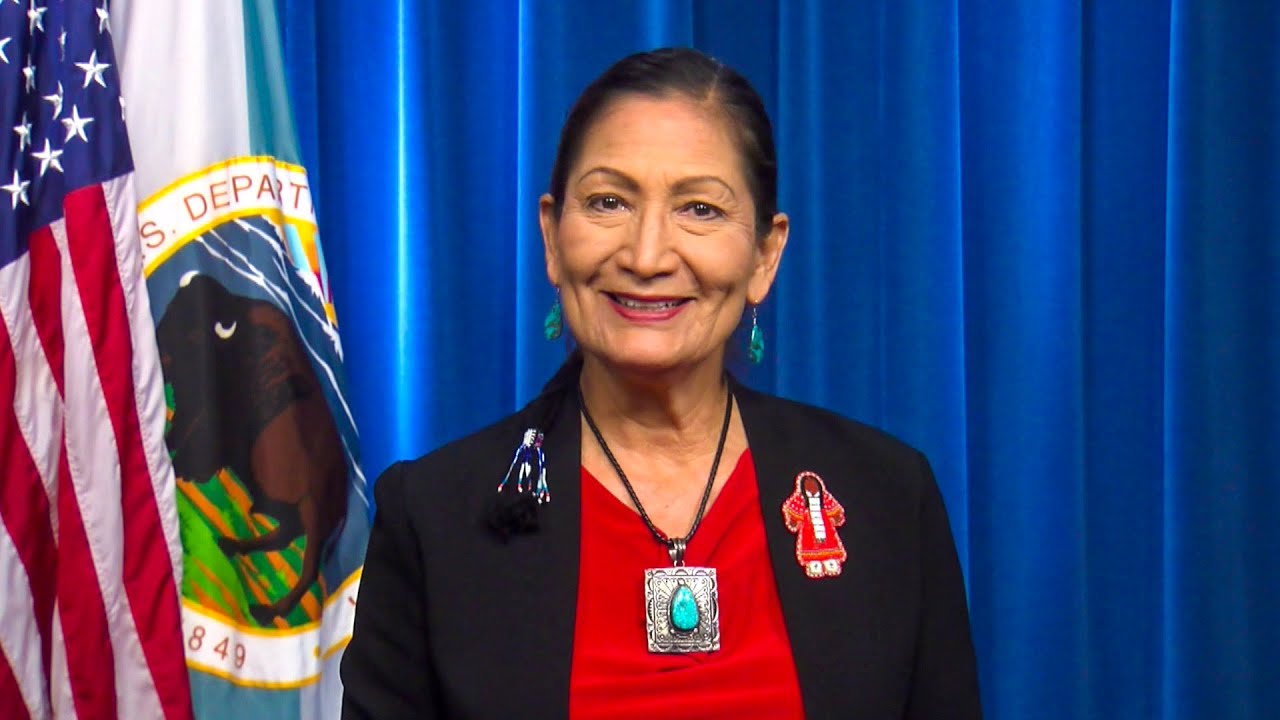
“Native art is a critical part in telling the story of this country and can only be told by Native artists,” Haaland said in a video message after making history as the first Native person in a presidential cabinet.
“Buying authentic pottery, jewelry, mixed-media creations, paintings and other art from Native American artists helps support tribal economies.”
“Unfortunately forgery and copies hinder the positive economic opportunities available to Native artists and their families,” said Haaland, who is a citizen of the Pueblo of Laguna.
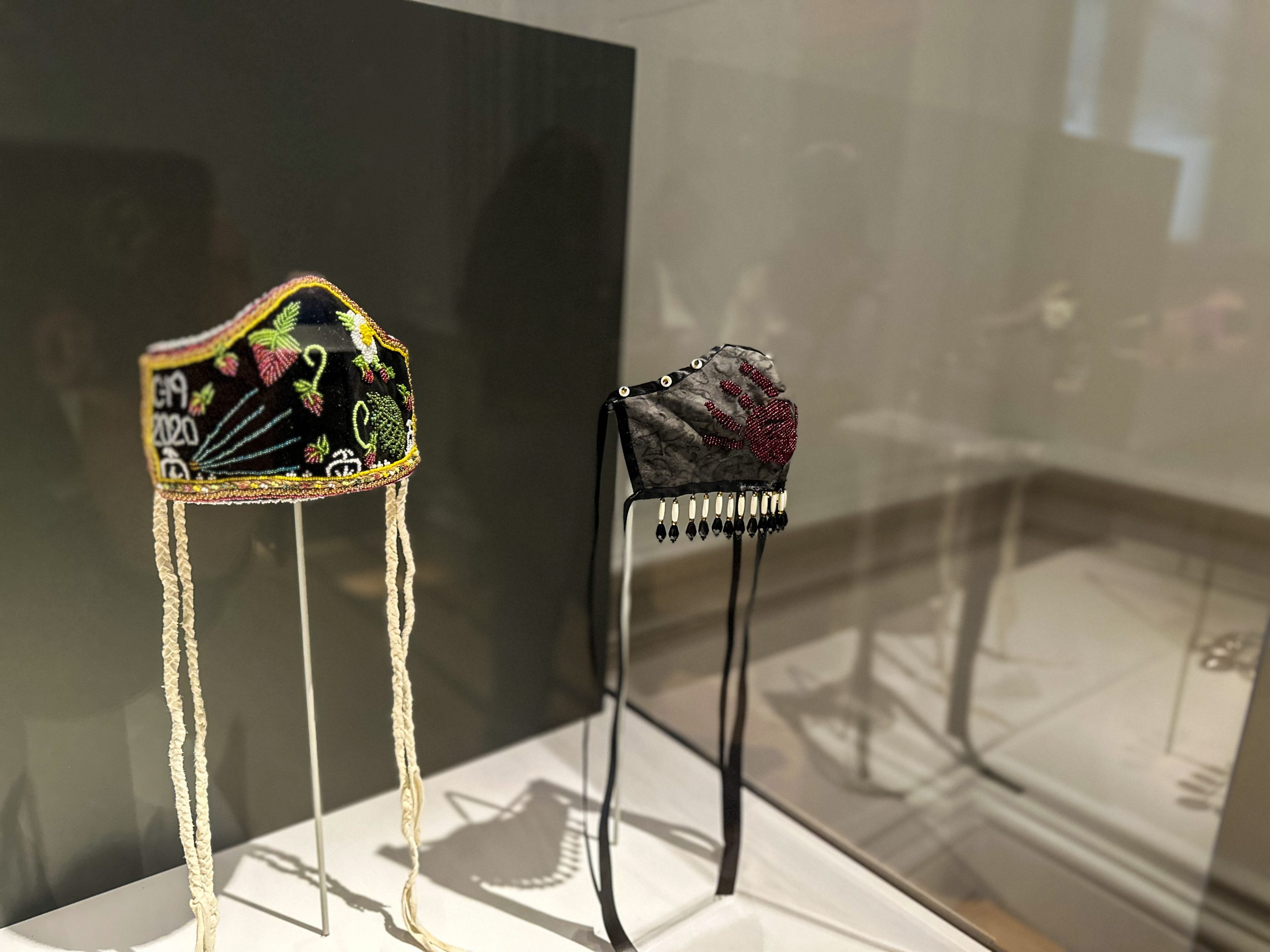
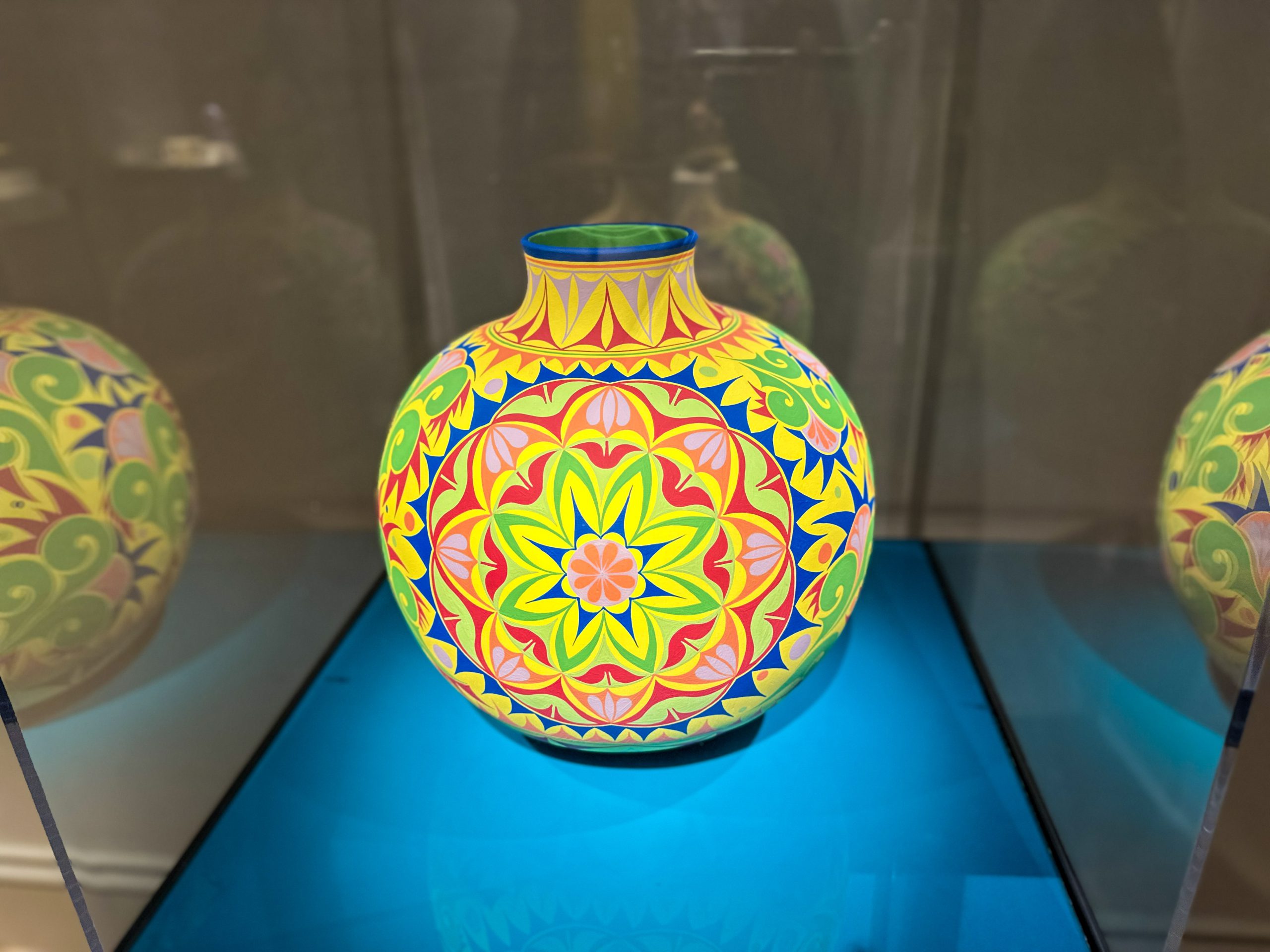
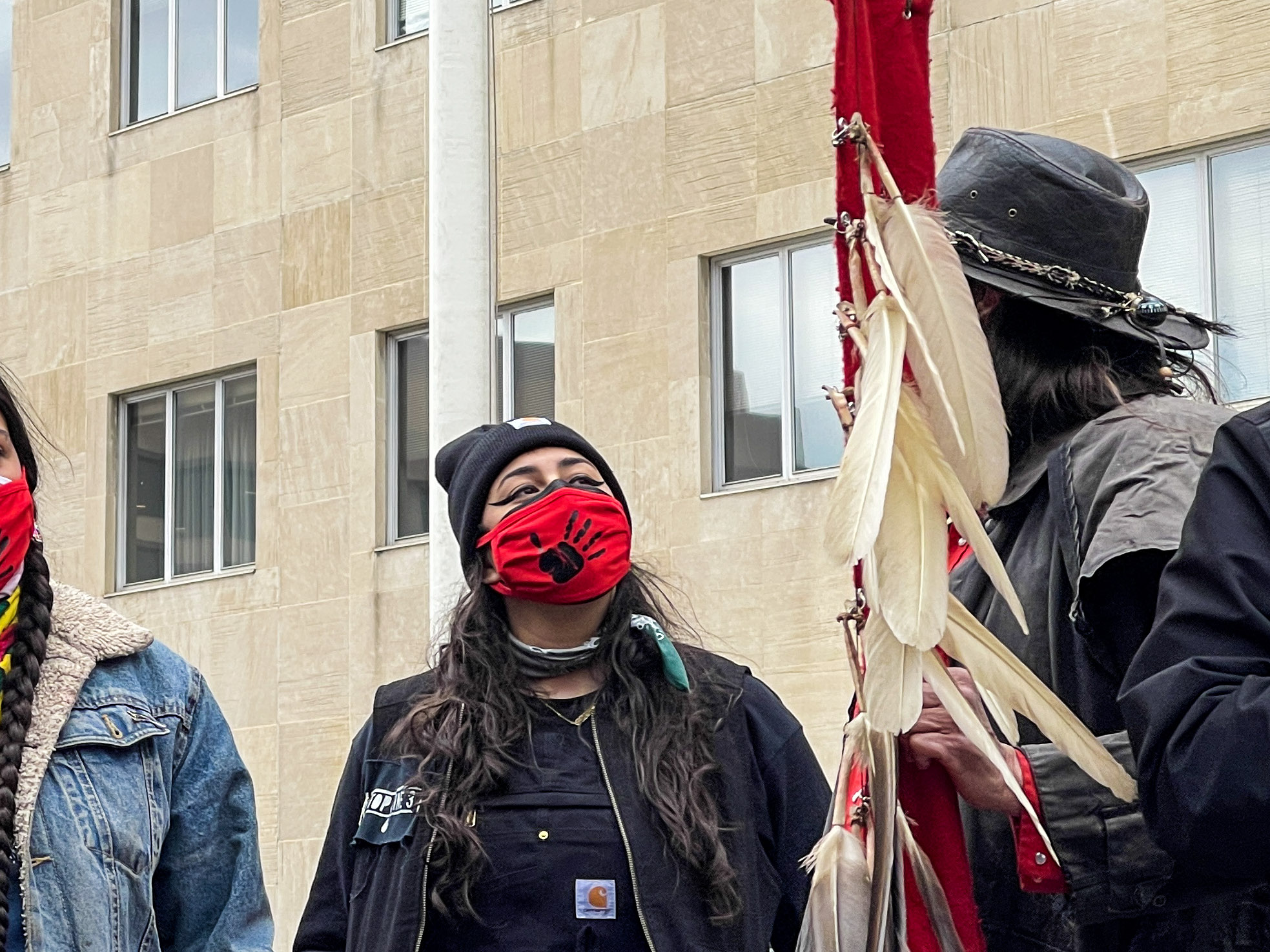
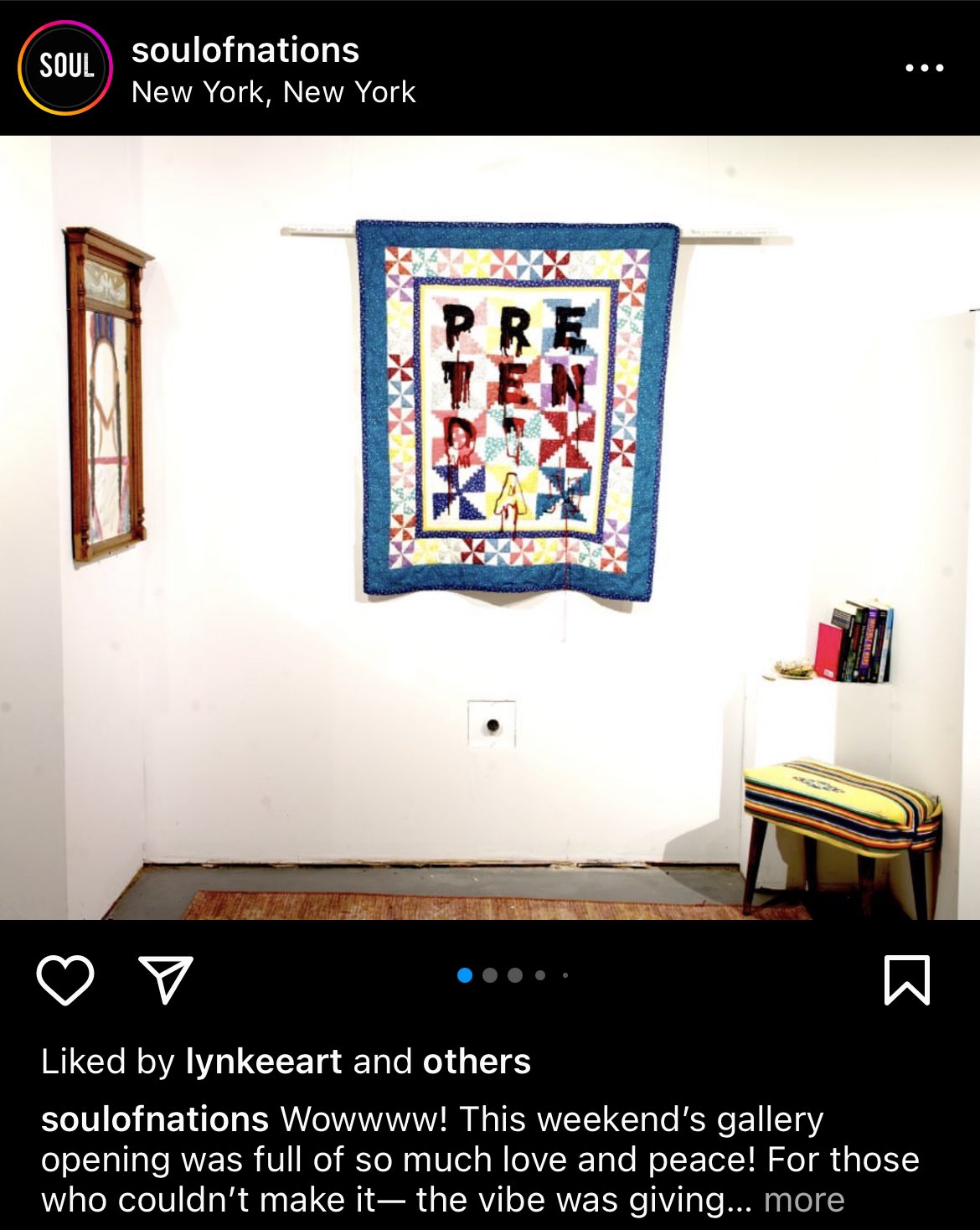
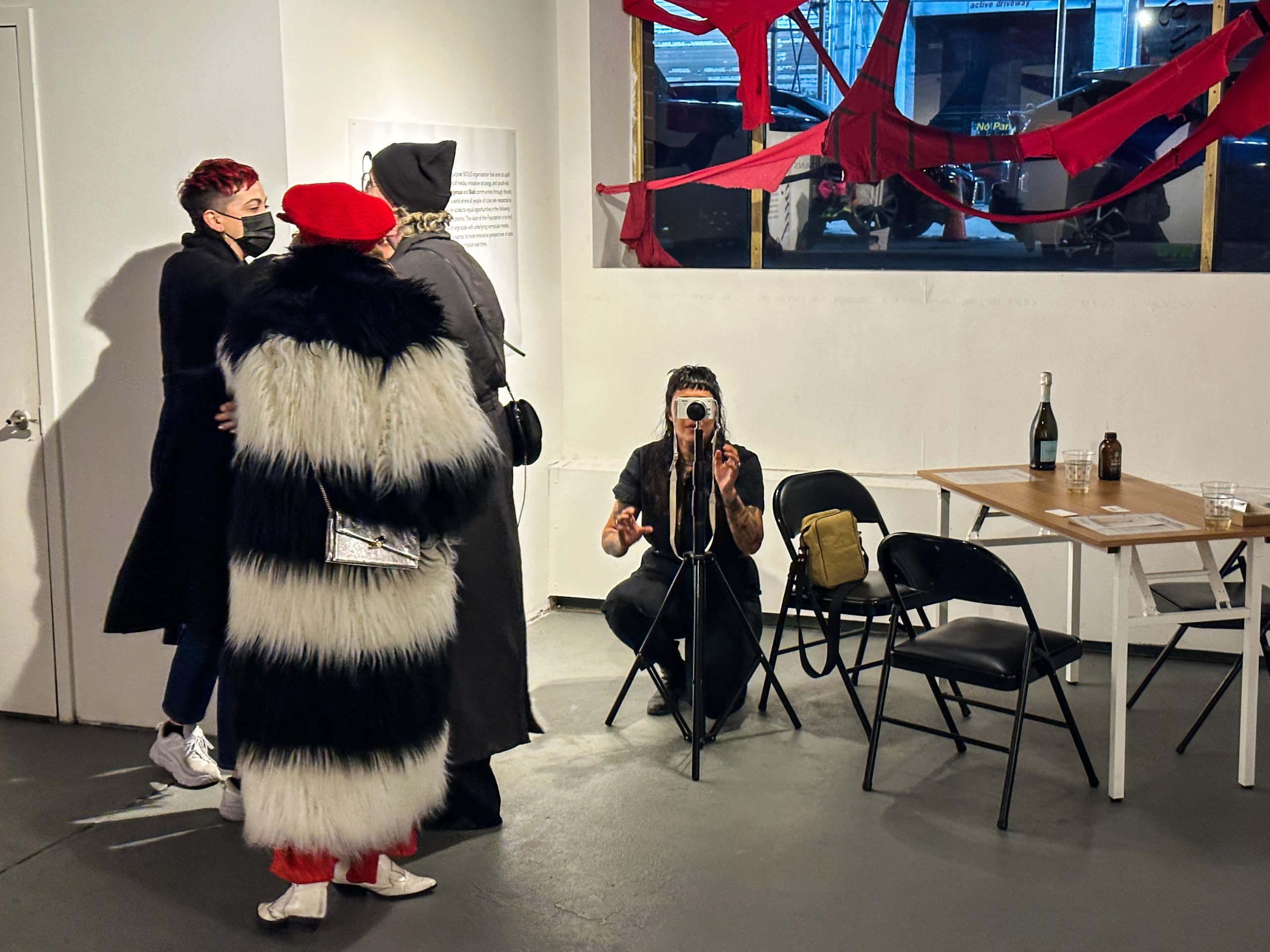
Native Artists in Washington DC – This Present Moment: Crafting a Better World
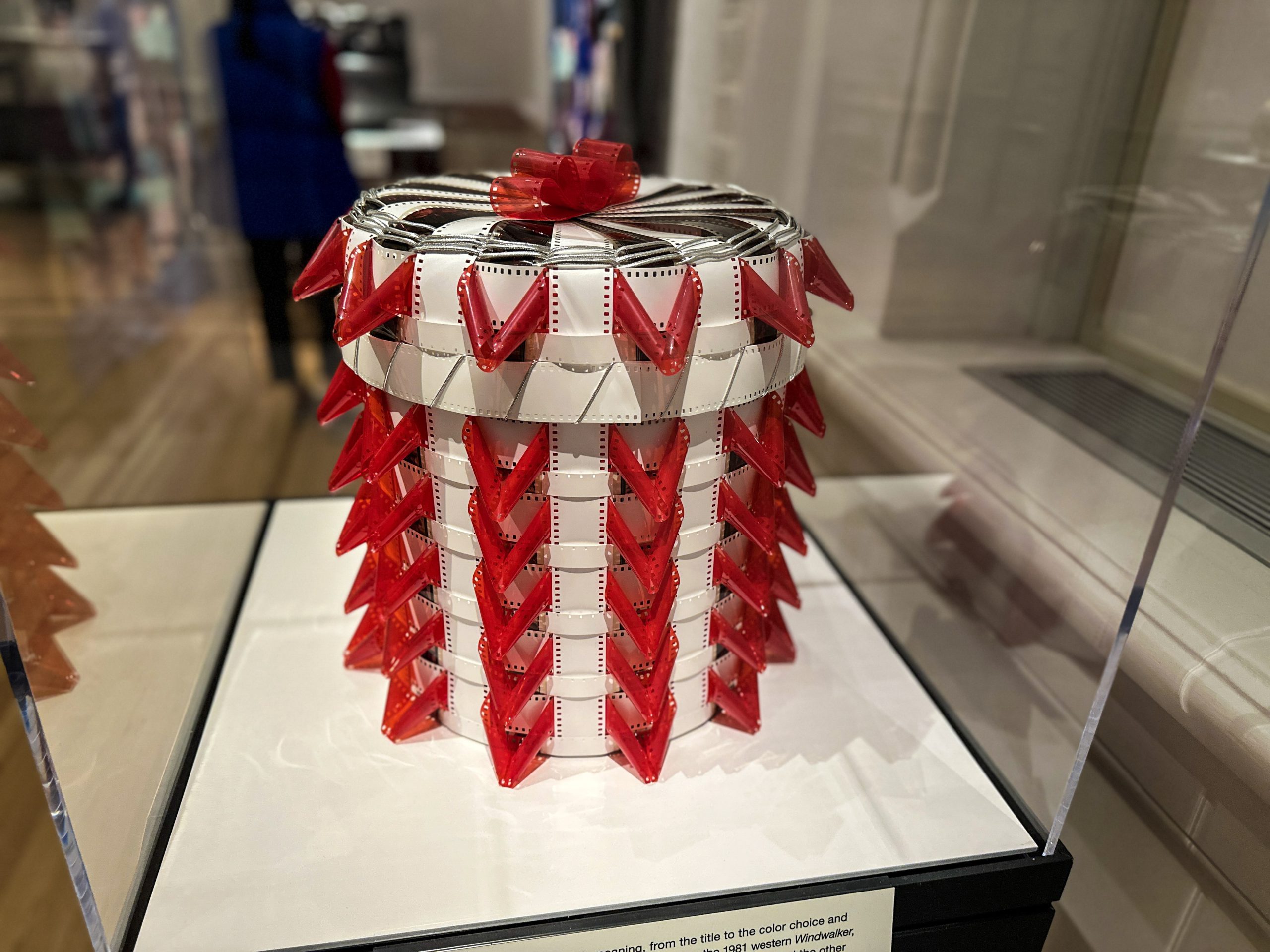
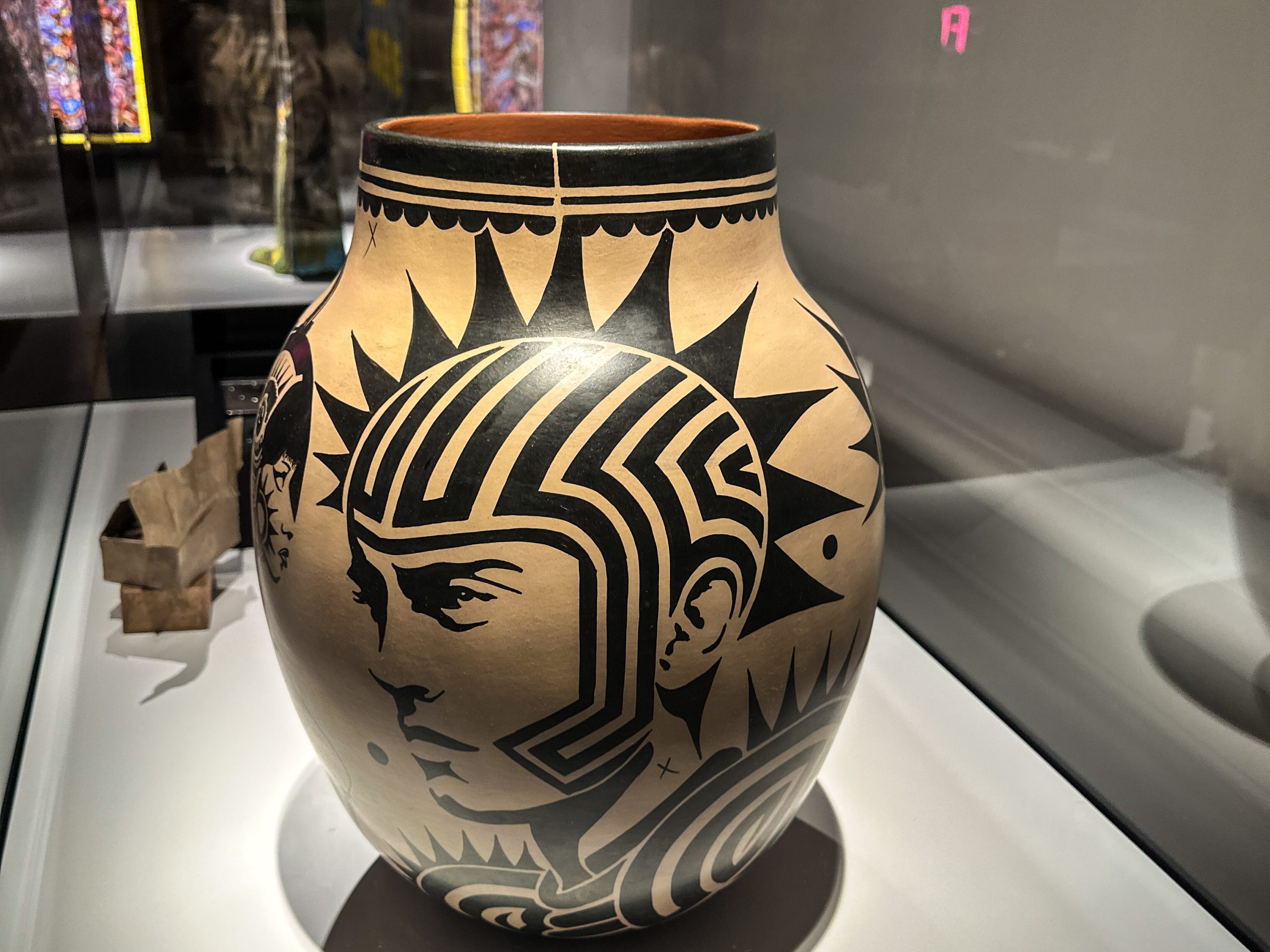
The draft discussion bill also requires visible and permanent labeling of items that come into the U.S. from Canada or Mexico. Anything that could “possibly be mistaken for, arts and crafts made by Native Americans” must be “indelibly marked with the country of origin,” according to provisions of the the ARTIST Act. Finally, the ARTIST Act would require trainings of federal law enforcement officers, not only on the Indian Arts and Crafts Act but on the recently-enacted Safeguard Tribal Objects of Patrimony Act, also known as the STOP Act. The latter law makes it a crime to export tribal cultural property, another issue that has threatened Native cultures and ways of life. “For too long, the export and sale of sacred and culturally significant items from Native peoples in Hawaiʻi, Alaska, and across Indian Country has deprived these communities of their own history and heritage,” Schatz said after the measure was passed and signed into law during the prior session of Congress. “Our bill will help stop the black market trafficking of these items and bring them home.”
Native Artists in Washington DC – This Present Moment: Crafting a Better World
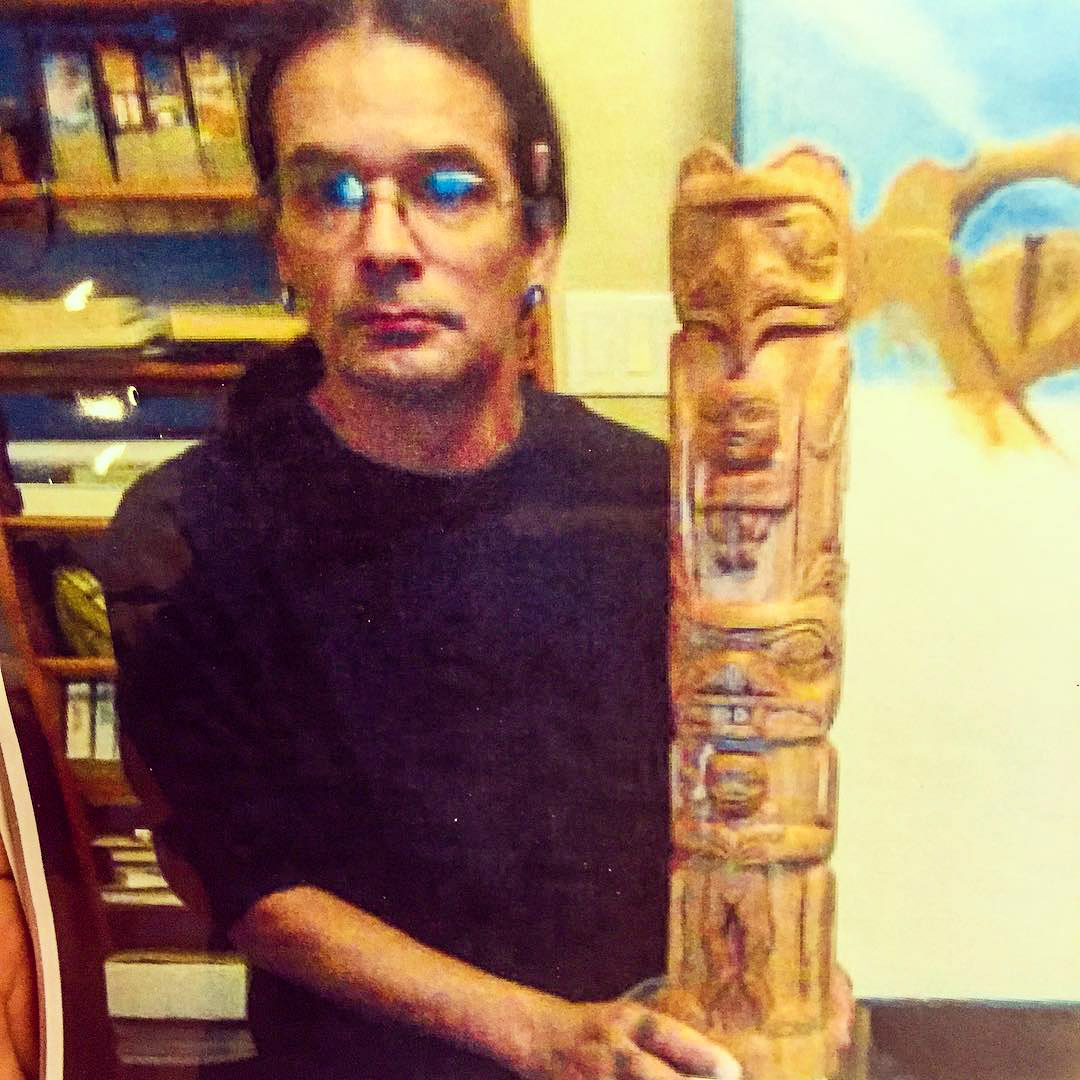
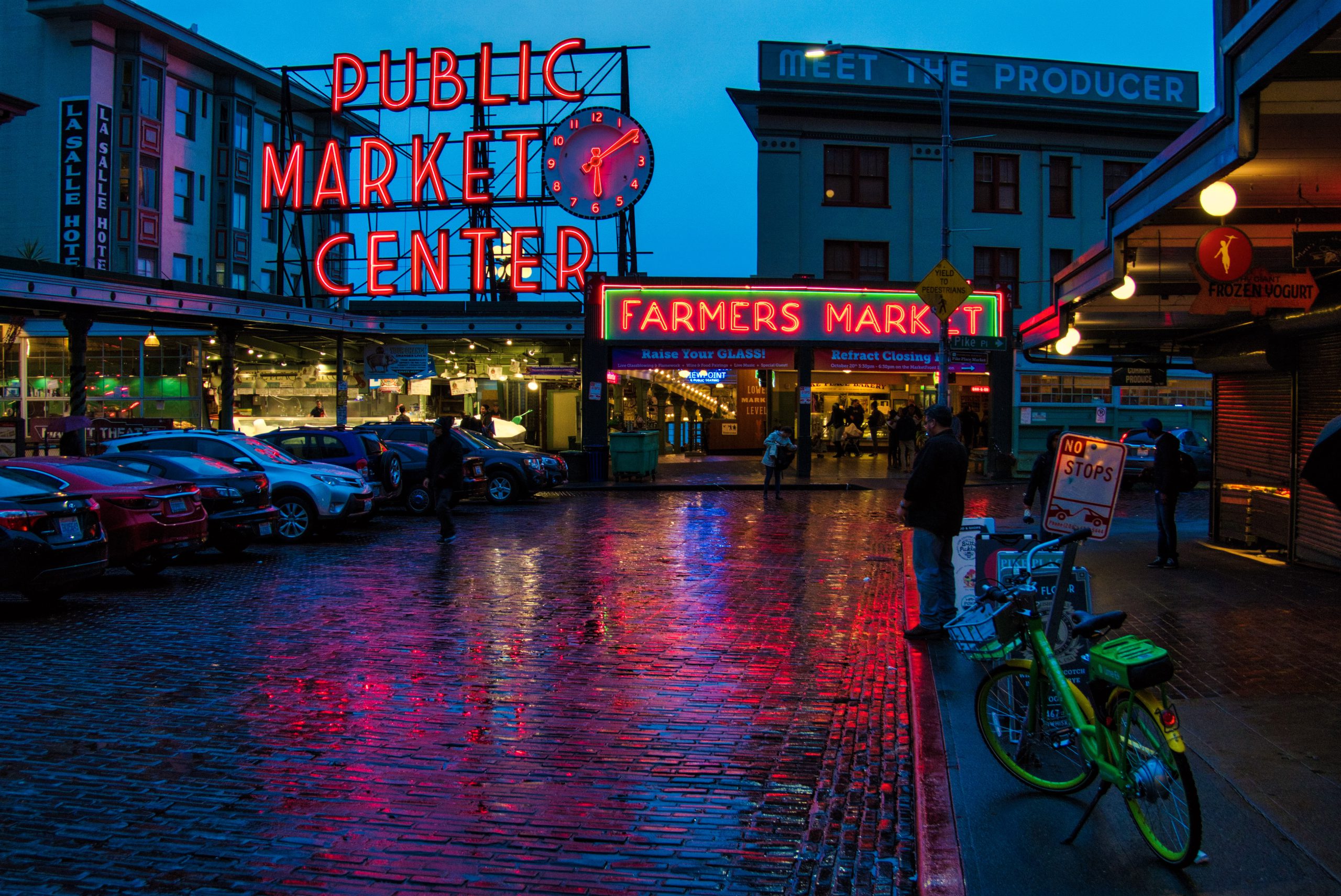
Just this month alone, federal authorities announced the resolution of three cases in which the Indian Arts and Crafts Act was violated. In all three instances, non-Natives created and sold fraudulent art by misrepresenting, falsifying and lying about their non-existent tribal backgrounds. In Washington, 52-year-old Lewis Anthony Rath and 67-year-old Jerry Chris Van Dyke, also known as Jerry Witten, pleaded guilty on March 1 to breaking the law. Both men admitted that they sold fake “Indian” goods in the historic Pike Place Market in Seattle, one of the most heavily trafficked tourist areas in the city. “When non-Native artists falsely claim Indian heritage, they can take sales away from true Indian artists working to support themselves with skills and techniques handed down for generations,” Nick Brown, the U.S. Attorney for the Western District of Washington, said in a news release. “Stores and galleries need to partner with artists to ensure those artisans and craftsmen advertised as Indian Artists truly have tribal status,” Brown added, offering advice to businesses to ensure they comply with the law.

Related Stories

Search
Filed Under
Tags
More Headlines
Native America Calling: Tribes sue after feds redefine ‘harm’ in Endangered Species Act, upend decades of land conservation
AUDIO: Full Committee Markup – July 15, 2026
Native America Calling: Law, advocacy and redemption with Cherokee attorney Courtney Jordan
AUDIO: President Trump ‘terminating’ Bears Ears and Grand Staircase-Escalante National Monuments
Native America Calling: Tribal leaders condemn Trump’s downsizing of Utah national monuments
AUDIO: Innovative Technologies and Initiatives to Tackle the MMIP Crisis in Indian Country
Native America Calling: Native Playlist with Shub and Darksiderz
Press Release: Five Civilized Tribes call for oversight of prediction markets
Native America Calling: Strengthening the tribal workforce
NAFOA: 5 Things You Need to Know This Week (July 13, 2026)
Statement: Rep. Cole mourns passing of Sen. Lindsey Graham (R-South Carolina)
Chuck Hoskin: Cherokee Nation builds largest and best tribal healthcare system
Native America Calling: Tribal solar projects shine on without much federal support
Native America Calling: Native student discipline disparities persist at New Mexico school district
Indian boarding school healing efforts face challenges at national level
More Headlines
AUDIO: Full Committee Markup – July 15, 2026
Native America Calling: Law, advocacy and redemption with Cherokee attorney Courtney Jordan
AUDIO: President Trump ‘terminating’ Bears Ears and Grand Staircase-Escalante National Monuments
Native America Calling: Tribal leaders condemn Trump’s downsizing of Utah national monuments
AUDIO: Innovative Technologies and Initiatives to Tackle the MMIP Crisis in Indian Country
Native America Calling: Native Playlist with Shub and Darksiderz
Press Release: Five Civilized Tribes call for oversight of prediction markets
Native America Calling: Strengthening the tribal workforce
NAFOA: 5 Things You Need to Know This Week (July 13, 2026)
Statement: Rep. Cole mourns passing of Sen. Lindsey Graham (R-South Carolina)
Chuck Hoskin: Cherokee Nation builds largest and best tribal healthcare system
Native America Calling: Tribal solar projects shine on without much federal support
Native America Calling: Native student discipline disparities persist at New Mexico school district
Indian boarding school healing efforts face challenges at national level
More Headlines