Indianz.Com > News > Tim Giago: Why Native people joined the Democratic Party

 youtu.be
Notes from Indian Country
There’s a reason most Natives are Democrats
Tuesday, August 31, 2021
The Great Depression of the 1930s hit Indian reservations particularly hard. Tribes were already struggling to survive under all of the new laws and restrictions placed upon them by the United States Government heading into the depression.
The reservation system was in its formative years and the government and the Indian tribes were adjusting to the rapid changes impacting the lives of thousands of Native Americans. Indians did not become United States citizens with the right to vote or run for public office until 1924, just a few years heading into the Great Depression.
President Franklin Delano Roosevelt introduced the CCC (Civilian Conservation Corps) and the WPA (Works Progress Administration) in order to create jobs and to get America back on its feet.
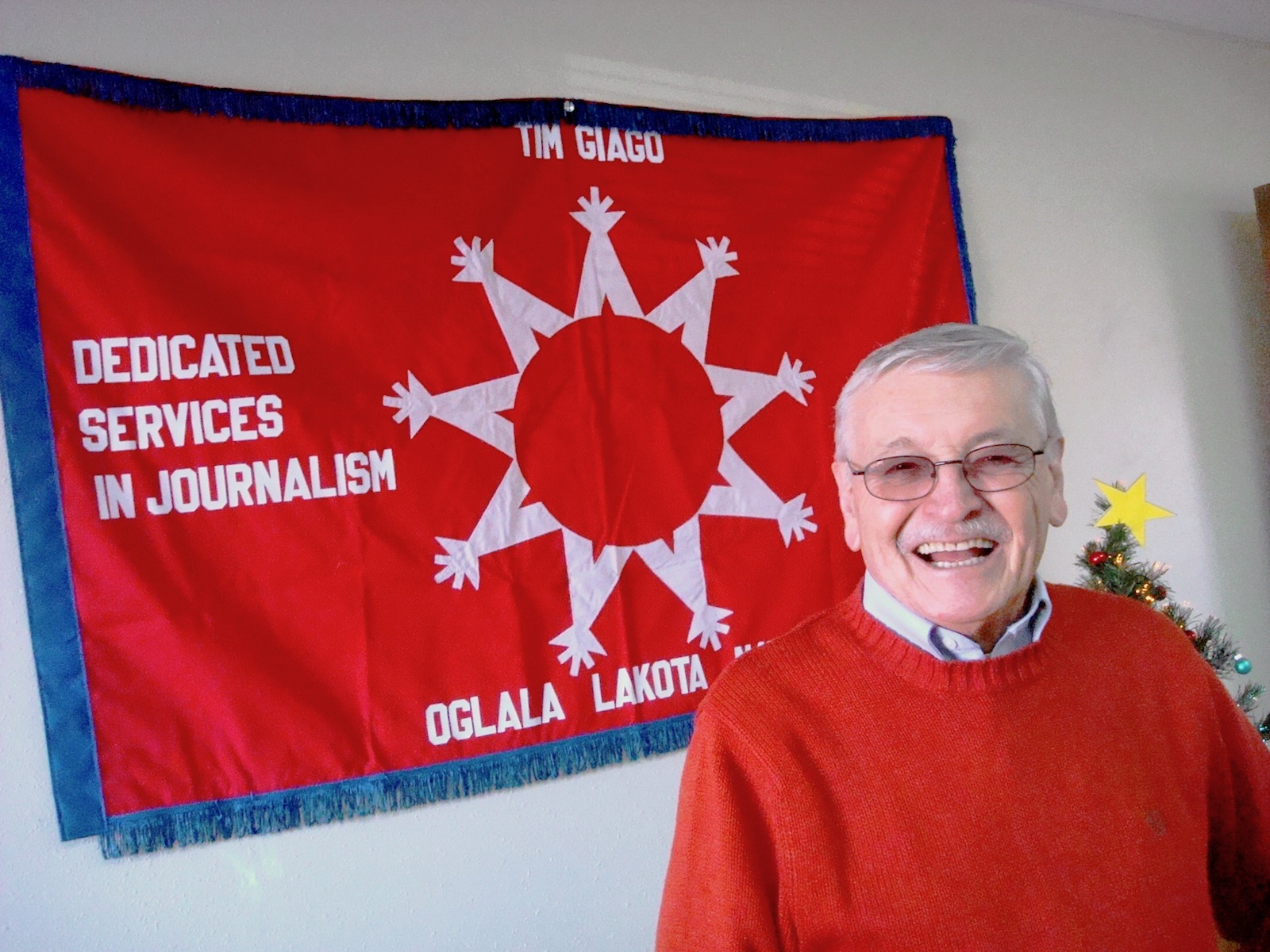

Contact Tim Giago at najournalist1@gmail.com
Note: Content © Tim Giago
Search
Filed Under
Tags
More Headlines
Native America Calling: Alaska Native advocates cite shortcomings in addressing MMIP crisis
Native America Calling: Alaska Native leadership and land rights advocacy through the generations
Native America Calling: Native in the Spotlight with Gabriella Cázares-Kelly
Native America Calling: How a young Ponca activist shaped the future of Native activism
Native America Calling: Tribes remain excluded from some major water policy decisions
Native America Calling: Assessing college campus safety in light of troubling allegations at Cornell University
Native America Calling: Native authors and book sellers reflect on a record year for banned books
Native America Calling: Native Playlist with Jeremy Dutcher and Mali Obomsawin
Native America Calling: What removing questions about race from the U.S. Census means for Native Americans
Chuck Hoskin: Cherokee Nation employees serve their communities
Native America Calling: One tribe breaks from the pack on prediction markets
Native America Calling: Finding success through the art of contemporary horsemanship
Testimony: Stephanie Bryan, Poarch Band of Creek Indians
Testimony: Michell Hicks, Eastern Band of Cherokee Indians
Testimony: Mark Macarro, Pechanga Band of Indians
More Headlines