Indianz.Com > News > Doug George-Kanentiio: Peace is the ultimate casualty in ongoing conflict
Palestinians are Natives
Friday, May 21, 2021
Under the provisions of the United Nations Declaration of the Rights of Indigenous Peoples (UNDRIP), of which Israel is a signatory, the Palestinian people are native and have a right to live freely upon their ancestral lands. The current situation affirms the will of those Indigenous people to assert their status and to oppose the forcible eviction from their homes.
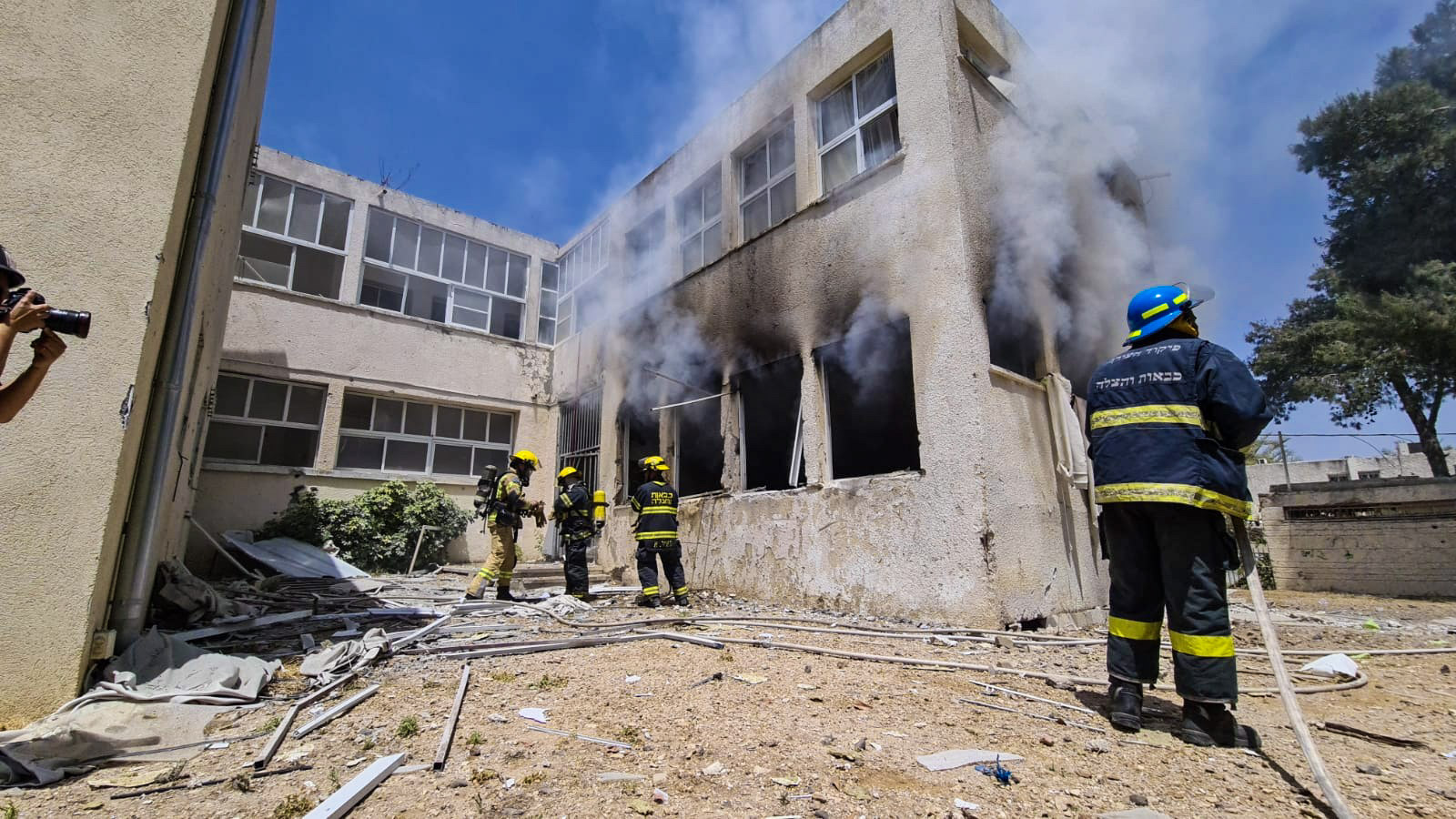
As a result, hundreds more, mostly civilians and non-combatants, Palestinian and Israeli, have died in rocket, artillery and air bombings. Peace is made evasive if not impossible because of the belligerent actions of the current governments in Israel and Palestine where the advocates for force bordering on outright war predominate.
Peace is the ultimate casualty.
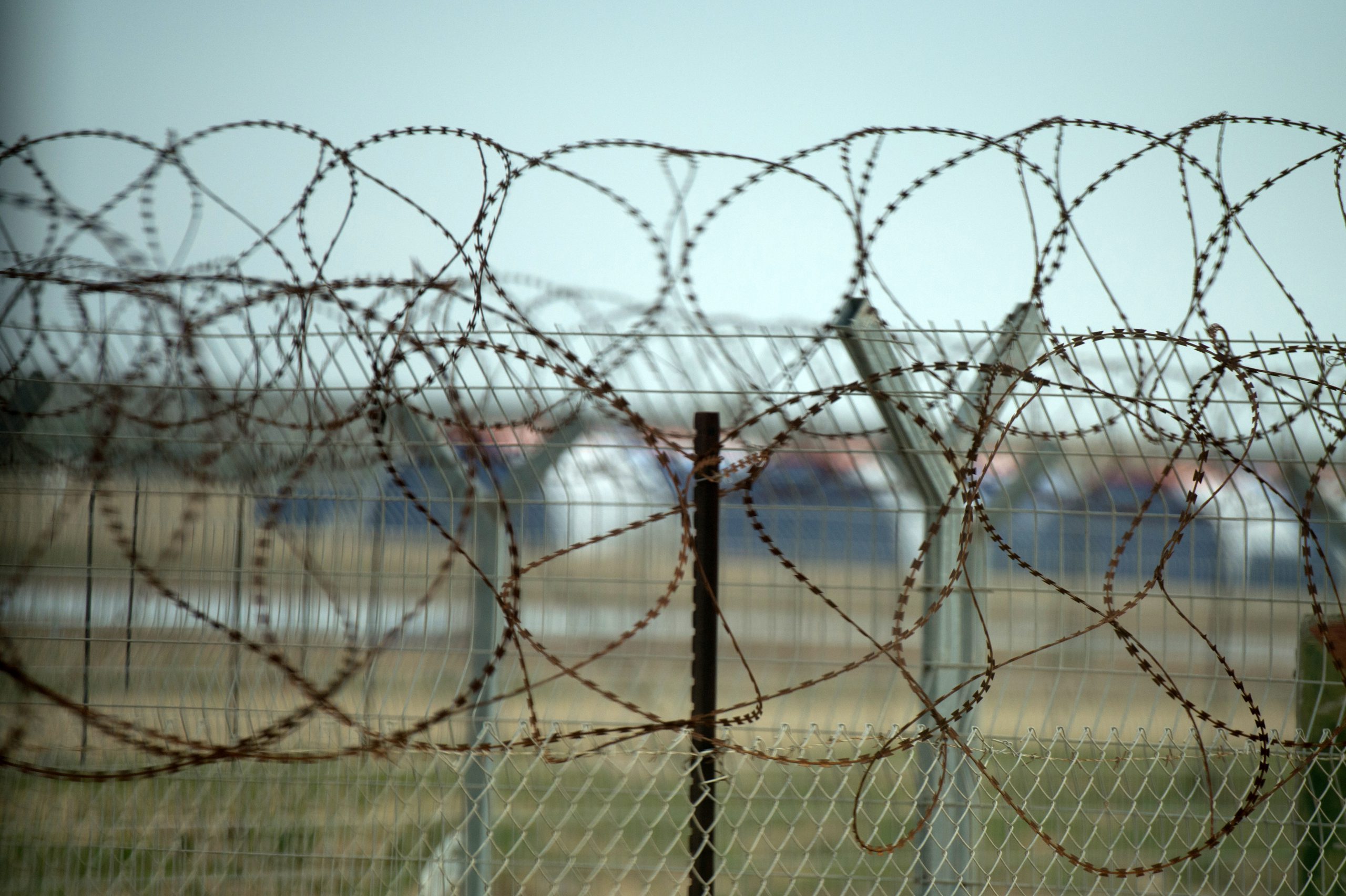
I have visited Palestine and Israel twice. I have seen the raising of the 400-mile long 28 foot high US maximum prison style wall which is meant to keep the Arab residents of the West Bank fenced into a region which is resource poor with the exception of a large aquifer which extends from that region into the Sinai Peninsula. This water is largely untapped and essential for the Palestinians to grow crops and provide for their people.
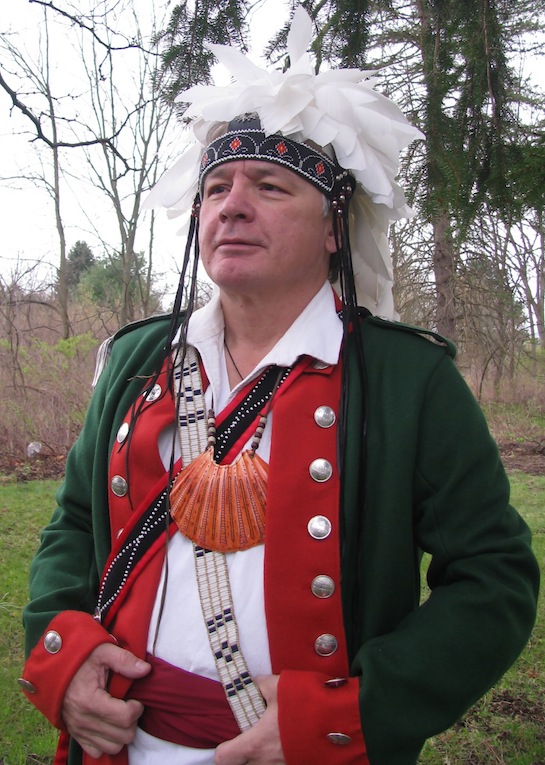
Doug George-Kanentiio, Akwesasne Mohawk, is the
vice-president of the Hiawatha Institute for Indigenous Knowledge. He has served
as a Trustee for the National Museum of the American Indian, is a former land
claims negotiator for the Mohawk Nation and is the author of numerous books and
articles about the Mohawk people. He may be reached via e-mail at:
Kanentiio@aol.com or by calling 315-415-7288.
Search
Filed Under
Tags
More Headlines
Native America Calling: Assessing college campus safety in light of troubling allegations at Cornell University
Native America Calling: Native authors and book sellers reflect on a record year for banned books
Native America Calling: Native Playlist with Jeremy Dutcher and Mali Obomsawin
Native America Calling: What removing questions about race from the U.S. Census means for Native Americans
Chuck Hoskin: Cherokee Nation employees serve their communities
Native America Calling: One tribe breaks from the pack on prediction markets
Native America Calling: Finding success through the art of contemporary horsemanship
Testimony: Stephanie Bryan, Poarch Band of Creek Indians
Testimony: Michell Hicks, Eastern Band of Cherokee Indians
Testimony: Mark Macarro, Pechanga Band of Indians
Testimony: Patricia Leach, Catawba Nation
Testimony: Bryan Mercier, Bureau of Indian Affairs
Senate Committee on Indian Affairs holds business meeting and legislative hearing
Native America Calling: How Indigenous voices adapt to rapidly-evolving media
Native America Calling: PBS documentary ‘Knowledge Keepers’ explores Native scientific innovations
More Headlines
Native America Calling: Native authors and book sellers reflect on a record year for banned books
Native America Calling: Native Playlist with Jeremy Dutcher and Mali Obomsawin
Native America Calling: What removing questions about race from the U.S. Census means for Native Americans
Chuck Hoskin: Cherokee Nation employees serve their communities
Native America Calling: One tribe breaks from the pack on prediction markets
Native America Calling: Finding success through the art of contemporary horsemanship
Testimony: Stephanie Bryan, Poarch Band of Creek Indians
Testimony: Michell Hicks, Eastern Band of Cherokee Indians
Testimony: Mark Macarro, Pechanga Band of Indians
Testimony: Patricia Leach, Catawba Nation
Testimony: Bryan Mercier, Bureau of Indian Affairs
Senate Committee on Indian Affairs holds business meeting and legislative hearing
Native America Calling: How Indigenous voices adapt to rapidly-evolving media
Native America Calling: PBS documentary ‘Knowledge Keepers’ explores Native scientific innovations
More Headlines