Indianz.Com > News > Tim Giago: What political party did most Native Americans choose and why?

Notes from Indian Country
What political party did most Native Americans choose and why?
Monday, September 28, 2020
The Great Depression of the 1930s hit Indian reservations particularly hard. Tribes were already struggling to survive under all of the new laws and restrictions placed upon them by the United States Government heading into the depression.
The reservation system was in its formative years and the government and the Indian tribes were adjusting to the rapid changes impacting the lives of thousands of Native Americans. Indians did not become United States citizens with the right to vote or run for public office until 1924, just a few years heading into the Great Depression.
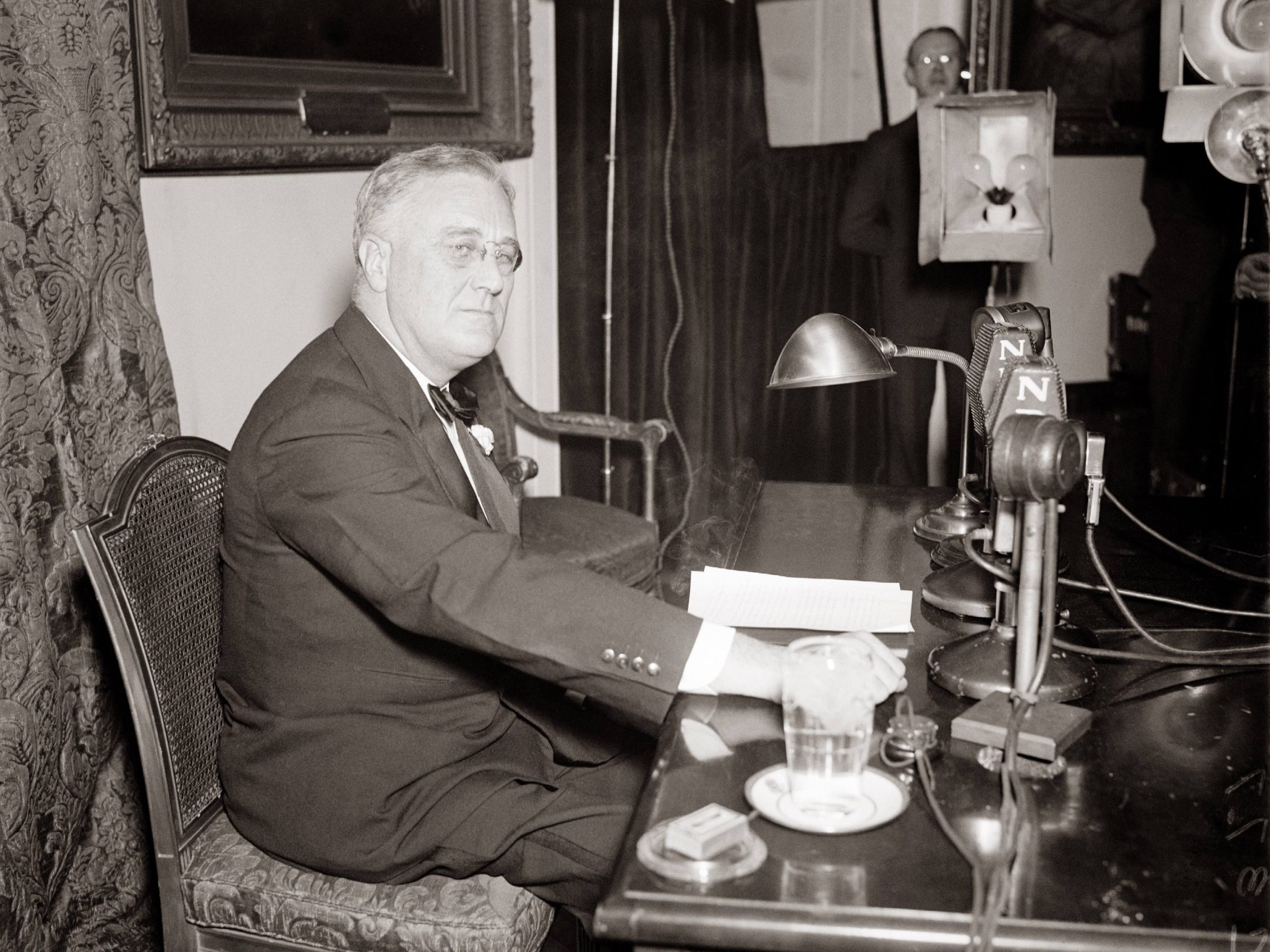
President Franklin Delano Roosevelt introduced the CCC (Civilian Conservation Corps) and the WPA (Works Progress Administration) in order to create jobs and to get America back on its feet.
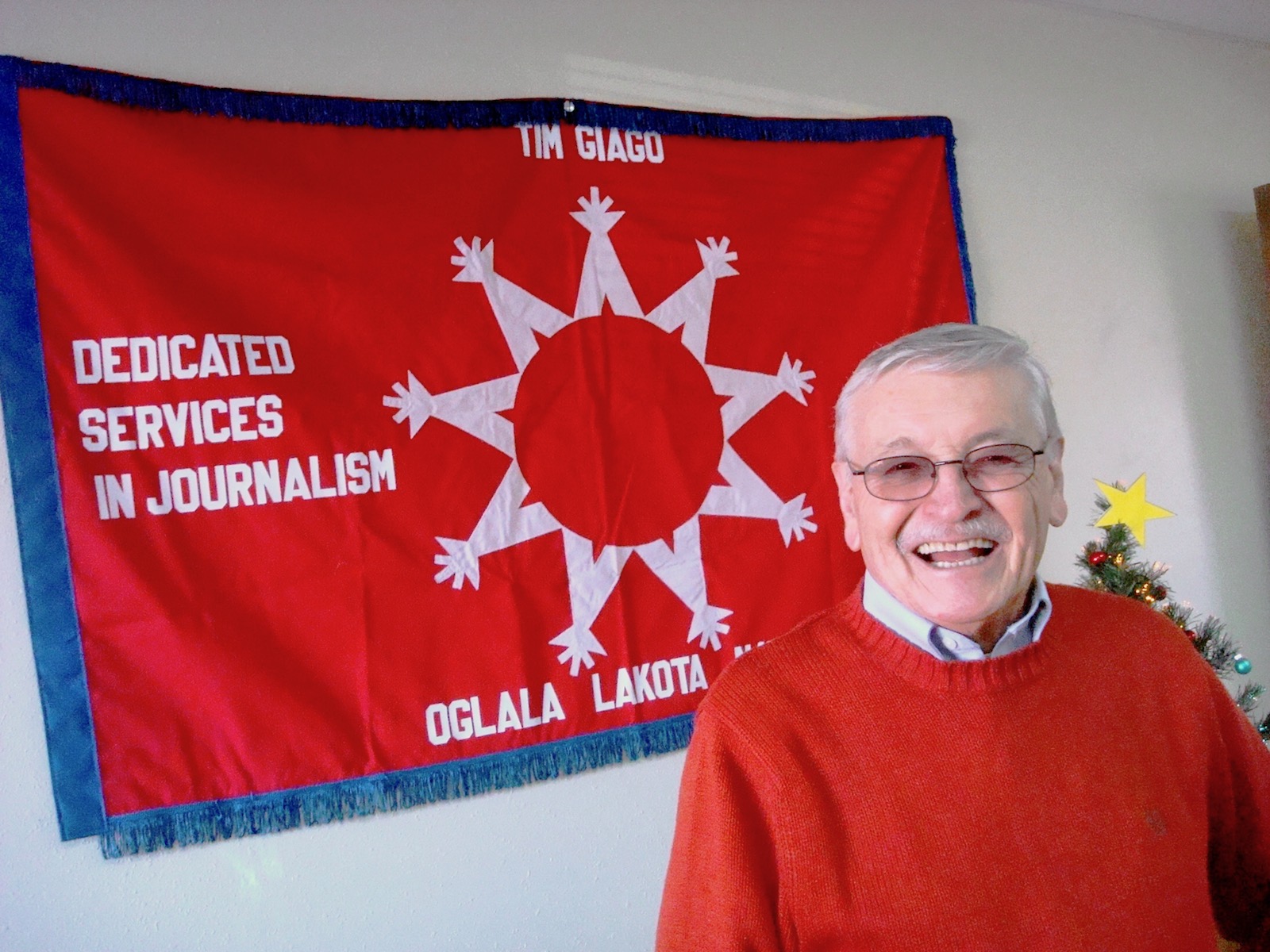
Tim Giago (Oglala Lakota) has been a newspaper publisher for 40 years and was the founder of the Native American Journalists Association. Contact him at najournalist1@gmail.com.
Search
Filed Under
Tags
More Headlines
Native America Calling: Native Playlist with Jeremy Dutcher and Mali Obomsawin
Native America Calling: What removing questions about race from the U.S. Census means for Native Americans
Chuck Hoskin: Cherokee Nation employees serve their communities
Native America Calling: One tribe breaks from the pack on prediction markets
Native America Calling: Finding success through the art of contemporary horsemanship
Testimony: Stephanie Bryan, Poarch Band of Creek Indians
Testimony: Michell Hicks, Eastern Band of Cherokee Indians
Testimony: Mark Macarro, Pechanga Band of Indians
Testimony: Patricia Leach, Catawba Nation
Testimony: Bryan Mercier, Bureau of Indian Affairs
Senate Committee on Indian Affairs holds business meeting and legislative hearing
Native America Calling: How Indigenous voices adapt to rapidly-evolving media
Native America Calling: PBS documentary ‘Knowledge Keepers’ explores Native scientific innovations
Testimony: Alicia Puente Cackley, Government Accountability Office
Testimony: Hilary Atkin, Department of Housing and Urban Development
More Headlines
Native America Calling: What removing questions about race from the U.S. Census means for Native Americans
Chuck Hoskin: Cherokee Nation employees serve their communities
Native America Calling: One tribe breaks from the pack on prediction markets
Native America Calling: Finding success through the art of contemporary horsemanship
Testimony: Stephanie Bryan, Poarch Band of Creek Indians
Testimony: Michell Hicks, Eastern Band of Cherokee Indians
Testimony: Mark Macarro, Pechanga Band of Indians
Testimony: Patricia Leach, Catawba Nation
Testimony: Bryan Mercier, Bureau of Indian Affairs
Senate Committee on Indian Affairs holds business meeting and legislative hearing
Native America Calling: How Indigenous voices adapt to rapidly-evolving media
Native America Calling: PBS documentary ‘Knowledge Keepers’ explores Native scientific innovations
Testimony: Alicia Puente Cackley, Government Accountability Office
Testimony: Hilary Atkin, Department of Housing and Urban Development
More Headlines